
Boiler Flow Temperature UK [2026]: The Free Setting That Can Cut Gas Use
How this guide was made: this is a research-based roundup, not a hands-on lab review. Picks are based on manufacturer specifications, verified UK owner reviews, independent published test results, price history and what UK buyers are actually choosing. More on the method.
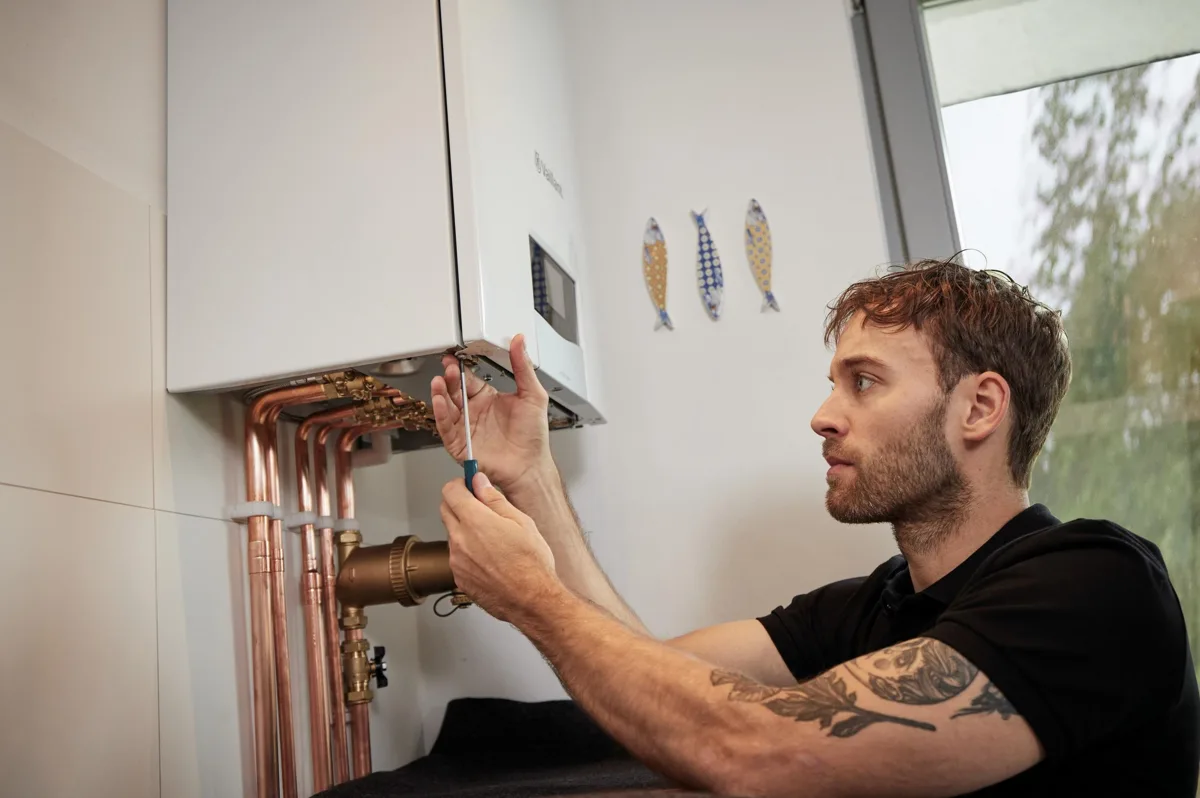
What should my boiler flow temperature be?
For most condensing combi boilers, Nesta recommends lowering the radiator flow temperature to 60°C. Combi boilers run most efficiently when water returns below about 54°C. Nesta estimates about a 9% gas saving for homes currently at 80°C. If you have a hot water cylinder, keep stored hot water at 60°C or above.
Your thermostat is set sensibly, the radiators are scorching to touch, and the gas bill still makes you wince. The setting that's often to blame isn't on the wall at all — it's a dial or menu on the front of your boiler.
This guide is based on Nesta's Money Saving Boiler Challenge research and boiler manufacturer guidance. Always follow your own boiler's manual.
The Short Answer
For most condensing combi boilers, turn the radiator (central heating) flow temperature down to about 60°C. Nesta estimates this could save about 9% on a gas bill for a home currently set at 80°C. It costs nothing and takes about five minutes.
What Flow Temperature Is
Flow temperature is how hot your boiler heats the water before it pumps it round the radiators. Nesta found many condensing combi boilers are left at 70–80°C, often the factory or installer setting.
Why Lower Is More Efficient
Modern boilers recover extra heat from their exhaust gases by condensing the water vapour in them. That only happens when the water coming back from the radiators is cool enough — Nesta says condensing increases once return water drops below about 54°C, and that combi boilers work best heating radiators at 55°C or below.
From 30 years in electrical engineering, I'd put it simply: running hotter than you need doesn't heat the house faster to a useful degree, it just pushes the boiler out of its efficient range.
Get Your Free UK Home Energy Audit Checklist
Cut your energy bills with our UK home energy audit checklist, plus our best gadget deals — free.
How to Change It
1. Find the radiator dial or menu — usually marked with a radiator symbol, not a tap symbol.
2. Check the manual to see what each dial position means in °C.
3. Set it to about 60°C.
4. Live with it for a few days. If a room won't reach temperature on a cold day, go up 5°C.
5. In milder weather, Nesta's trials suggested going lower still, around 50–55°C.
Nesta's Money Saving Boiler Challenge site has step-by-step guides for many common boiler models.
When Not to Change It
• If you have a hot water cylinder (a system or regular boiler): you can lower the radiator setting, but keep the stored hot water at 60°C or above to control bacteria, as Nesta advises.
• If you have a heat pump, these settings work differently — follow your installer's guidance.
• If anyone in the home is vulnerable to cold, make sure rooms still reach a safe, comfortable temperature.
Making It Work With Smart Controls
Lower flow temperatures mean slower warm-ups, so give your heating a little longer to come on. A smart thermostat can learn how long your home takes to heat, and some can tell an OpenTherm-compatible boiler to adjust its flow temperature automatically. Add smart radiator valves so empty rooms don't heat at all. Avoid the usual smart heating mistakes, like turning the thermostat right up to warm the house faster.
Sources
• Nesta: Money Saving Boiler Challenge: supporting evidence
• Nesta: Money Saving Boiler Challenge
• Gas Safe Register: find a registered engineer
*Written October 2026 from published guidance. Savings figures are estimates from Nesta's research, not a guarantee for your home. This article contains no affiliate links.*
Frequently Asked Questions
Keep reading
Best Smart Thermostats UK [2026]
The biggest single saving in most UK homes — compared on real running costs.
Read the guideBest Smart Radiator Valves UK [2026]
Room-by-room zoning without replacing your boiler controls.
Read the guideCommon Smart Heating Mistakes That Cost You Money
Schedules, TRVs and boiler settings that quietly undo the savings.
Read the guide