
How Much Does a Smart Thermostat Save in the UK? [2026]
How this guide was made: this is a research-based roundup, not a hands-on lab review. Picks are based on manufacturer specifications, verified UK owner reviews, independent published test results, price history and what UK buyers are actually choosing. More on the method.
![Illustrative photo for the guide “How Much Does a Smart Thermostat Save in the UK? [2026]”](/images/blog-thermostat-savings.jpg)
How much does a smart thermostat save in the UK?
It depends on your home and habits. Savings are largest where heating currently runs longer than needed or rooms sit empty; homes already using a timer carefully save less. Treat manufacturer figures as best-case estimates and check your own gas use before and after.
Smart thermostats are sold on a simple promise: fit one, and your heating bills drop. The reality is more conditional. The savings are real for many households, but they are not a fixed percentage that applies to everyone, and the biggest factor is not which thermostat you buy — it is how your home is heated today.
This guide looks at what the published savings figures actually assume, which UK homes tend to save the most, and how to estimate your own likely saving before spending anything. If you have already decided to buy and just need to compare models, our Best Smart Thermostats UK guide covers the current picks, and our Hive vs tado comparison covers the two most popular UK ecosystems head to head.
The Short Answer
For a typical UK home with gas central heating, published estimates from manufacturers and energy bodies generally put smart-thermostat savings in the region of 8% to 15% of heating costs. Because space heating accounts for well over half of a typical home's energy use, even a modest percentage can be a noticeable sum over a year.
Two cautions apply to any figure like this. First, these are averages across many different homes, tariffs and behaviours — nobody's home is average. Second, savings are measured against whatever the household was doing before. A home that previously heated empty rooms all day has far more waste to recover than one that already ran a tight schedule.
Where the Published Figures Come From
Most savings claims trace back to one of three sources: manufacturer studies, energy-body modelling, and independent field trials. Manufacturer studies (from Nest, Hive, tado and others) usually compare a home's gas use before and after installation, sometimes adjusted for weather. They tend to report the more optimistic end of the range, because early adopters often have inefficient starting habits.
Energy-body modelling, such as the estimates published by the Energy Saving Trust, works the other way: it models what specific behaviours save — turning a room thermostat down by 1°C, heating only occupied rooms, using timers properly — and a smart thermostat is credited with making those behaviours easier to sustain. Independent field trials sit between the two and usually report more conservative averages.
The honest reading of all three is that the technology enables the saving rather than causing it. A smart thermostat makes it easy to avoid heating an empty house, to run lower temperatures at night, and to stop the boiler firing when nobody benefits. Households that use those features save; households that install one and carry on as before largely do not.
What Actually Decides Your Saving
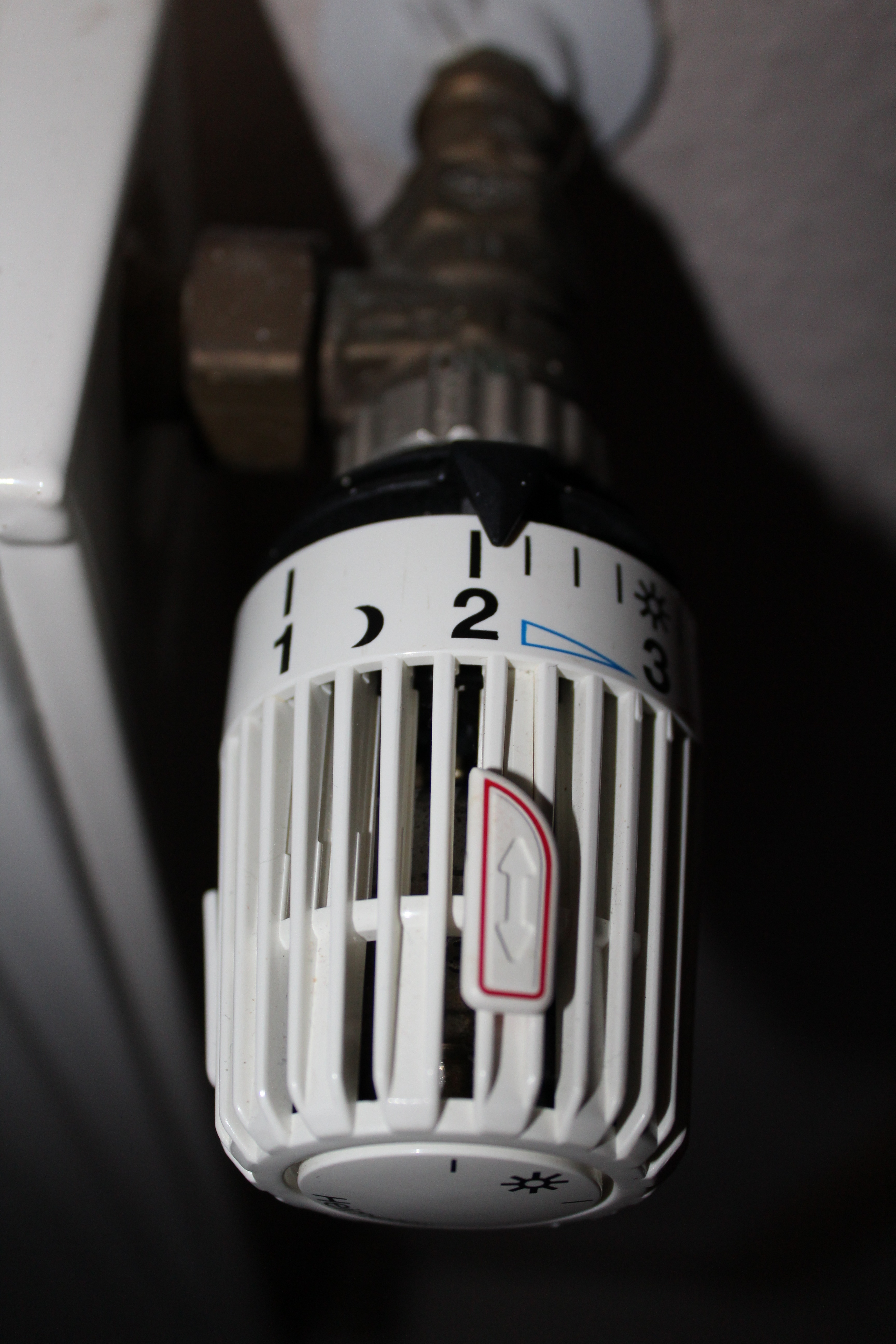
Your starting point matters most. If your heating currently runs on a fixed timer that heats the whole house while everyone is at work, a smart thermostat with geofencing or occupancy detection can cut that waste almost entirely. If you already turn the heating off religiously whenever you leave, there is little left to save.
Your home's fabric sets the ceiling. A draughty, poorly insulated house loses heat faster than any thermostat can manage, and insulation or draught-proofing will usually return more per pound than smarter controls. Conversely, a well-insulated home holds heat so well that aggressive scheduling saves less — the house barely cools while you are out.
Your tariff and boiler matter too. Savings are measured in kilowatt-hours of gas first and pounds second, so the current unit rate on your bill decides what a percentage saving is worth. An older, inefficient boiler wastes a share of every unit it burns regardless of how cleverly it is controlled; a thermostat cannot fix that.
Get Your Free UK Home Energy Audit Checklist
Cut your energy bills with our UK home energy audit checklist, plus our best gadget deals — free.
Homes That Save the Most
The pattern across published studies is consistent. The biggest savers tend to be larger homes with several rooms, where zoning or careful scheduling stops heat going to empty space; households with irregular routines, where geofencing beats any fixed timer; homes previously heated to high temperatures, where dropping to 18–19°C in living areas makes an immediate difference; and properties with poor existing controls, such as a single mechanical thermostat in the hallway.
If several of those describe your home, the published averages are likely to understate what you could save.
Homes That Save the Least
At the other end: small flats with one heating zone, households that are home most of the day, people who already programme their heating meticulously, and very well-insulated modern homes that barely lose heat. In these cases a smart thermostat may save only a few percent, and the payback period stretches into many years.
That does not make the purchase wrong — remote control, voice integration and room-by-room comfort are genuine quality-of-life features. It just means the decision should be framed as paying for convenience, with any bill reduction as a bonus, rather than as an investment that pays for itself.
Zoning and Radiator Valves

A smart thermostat on its own treats the whole home as one zone: when it calls for heat, every radiator warms. Smart thermostatic radiator valves change that by letting each room run its own schedule and temperature. The bedroom can sit cool until evening, the home office can be warm only during working hours, and spare rooms can stay at a background temperature.
This is where larger homes often find the biggest additional saving, because the waste in a big house is usually rooms, not hours. The trade-off is cost and complexity: each valve is an extra device to buy, fit and occasionally re-pair. Our Best Smart Radiator Valves UK guide goes into the options if zoning sounds right for your home.
How to Estimate Your Own Saving
Rather than trusting a headline percentage, work from your own baseline. Find your annual gas consumption in kWh from a recent bill or your smart-meter app, and note roughly what share of it is space heating — for most UK homes with gas heating and hob cooking, space heating is the large majority.
Then apply a conservative, middling and optimistic scenario: 5%, 10% and 15% of that heating energy. Multiply the kWh saved by your current gas unit rate to get a pounds figure for each scenario. That range is your realistic expectation, and it is far more useful than any single national average. Our Thermostat Savings Calculator does this arithmetic for you if you would rather not reach for a calculator.
Payback: Is It Worth the Cost?
A mainstream smart thermostat plus installation is a meaningful purchase, and smart radiator valves add to it per room. Whether it pays back depends entirely on the scenario range you just calculated. A larger, poorly controlled home at the optimistic end can recover the cost within a couple of heating seasons; a small flat at the conservative end may never strictly break even.
Prices for both the hardware and installation vary between retailers and installers and change frequently, so check current prices rather than relying on any figure quoted in an article — including this one. The payback maths should always use today's actual prices and your own tariff.
What to Do Next
Start with the estimate, not the shop. Pull your gas usage from a recent bill, run it through the Thermostat Savings Calculator, and see which scenario your home fits. If the numbers look promising, compare the current models in our Best Smart Thermostats UK guide, and check your boiler on the manufacturer's compatibility checker before ordering. If the numbers look marginal, the better spend is usually draught-proofing or a room thermostat you already own being used properly — and that costs almost nothing.
Frequently Asked Questions
Keep reading
Best Smart Thermostats UK [2026]
The biggest single saving in most UK homes — compared on real running costs.
Read the guideBest Smart Radiator Valves UK [2026]
Room-by-room zoning without replacing your boiler controls.
Read the guideHow to Install a Smart Thermostat (Step-by-Step)
What you can do yourself, and where a Gas Safe or electrician is required.
Read the guide