
Energy Saving Hub
Solar Power & Portable Batteries: The UK Homeowner's Guide (2026)
British sunshine is weaker than the brochures suggest, but panels have never been cheaper, VAT is zero-rated and export payments are real money. This hub covers rooftop arrays, batteries, portable power stations and the outdoor solar kit that genuinely survives a UK winter.
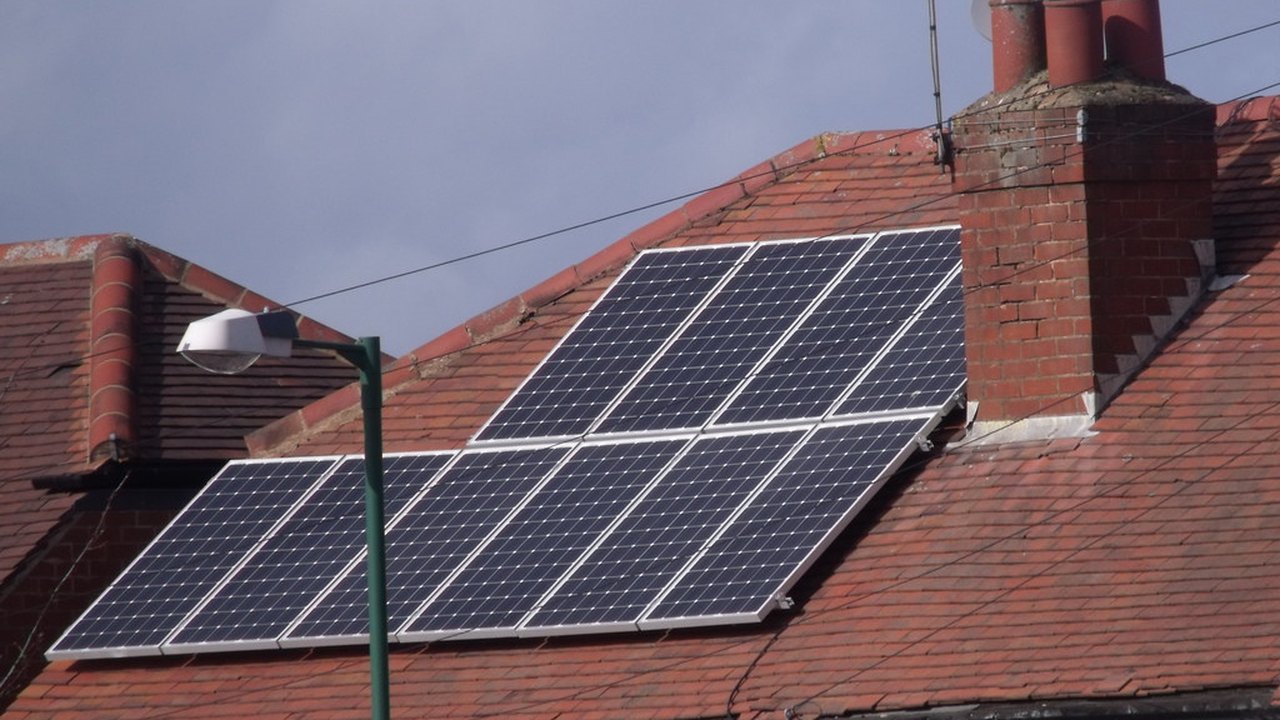
Why solar and storage save money in the UK
The maths changed twice in the last few years. Panel prices fell, and grid electricity roughly doubled. Every kilowatt-hour your roof produces and you use yourself is a kilowatt-hour you don't buy at around 25p — and a 4kWp array in England produces about 3,500 of them a year. That's the whole argument, and it holds even under our cloud.
The catch is timing. Solar generates at midday when most houses are empty, so without storage you export the surplus for a fraction of what you later pay to import it. A battery closes that gap, and on a time-of-use tariff it does a second job entirely: charging at 7p overnight and discharging through the expensive evening peak, with no sunshine involved at all.
At the smaller end, portable power stations and solar garden kit aren't really bill-reducers — they replace petrol generators, avoid trenching cable to the shed, and keep the fridge and router alive through a storm outage. Judge them on what they let you avoid, not on payback period.
How much can you save?
Figures assume a three-bedroom home in central England with a 4kWp south-facing array and a 5kWh battery, around 25p per kWh import and a typical Smart Export Guarantee rate.
| Cost area | Before | With solar & storage | Difference |
|---|---|---|---|
| Annual grid electricity import | £1,150 | £560 | −£590 |
| Smart Export Guarantee income | £0 | +£120/yr | +£120 |
| Garden & path lighting running cost | £24/yr | £0 | −£24 |
| Petrol generator fuel (occasional use) | £60/yr | £8/yr | −£52 |
Combined benefit of roughly £780 a year against an installed cost of £9,000-£12,000 — a payback of eight years or so, on hardware warranted for 25.
Four ways to use solar at home
From a full rooftop install down to a £30 path light, each has a different job and a very different payback.
Rooftop Solar
The main event. A 4kWp array plus optional battery cuts a typical household's grid import by half and earns SEG payments for the surplus.
Read the solar guidePortable Power Stations
Silent, fumeless backup for power cuts, camping and garden offices. Charge cheaply overnight and run the fridge, router and lights when the grid drops.
Compare power stationsSolar Garden Lights
Zero wiring, zero running cost. Path, wall and festoon lighting that pays for itself immediately because there's no cable to trench and no meter to spin.
See outdoor solar picksSolar Security Cameras
A camera on the shed or driveway with no socket nearby. A 5W panel keeps most 4G and Wi-Fi cameras topped up year-round in the UK.
See solar camera setupsOur top picks
Three portable power stations sold with UK plugs and UK support, compared on capacity, inverter output and price.
EcoFlow DELTA 2
4.8EcoFlow · Best for Fastest recharge and expandable capacity
£649 · 1,024Wh · 1,800W output · LFP cells
Jackery Explorer 1000
4.6Jackery · Best for Camping and simple, foolproof operation
£799 · 1,002Wh · 1,000W output · 3 AC sockets
Bluetti AC200P
4.5Bluetti · Best for Whole-day fridge and freezer backup
£1,299 · 2,000Wh · 2,000W output · LFP cells