
Energy Saving Hub
Smart Plugs & Power Management: Eliminate Phantom Power (2026)
The average UK home leaks £60-£125 a year through devices that are switched off but still plugged in. Smart plugs, switched power strips and energy monitors turn that invisible drain into something you can see, schedule and stop — usually for under £50 of hardware.
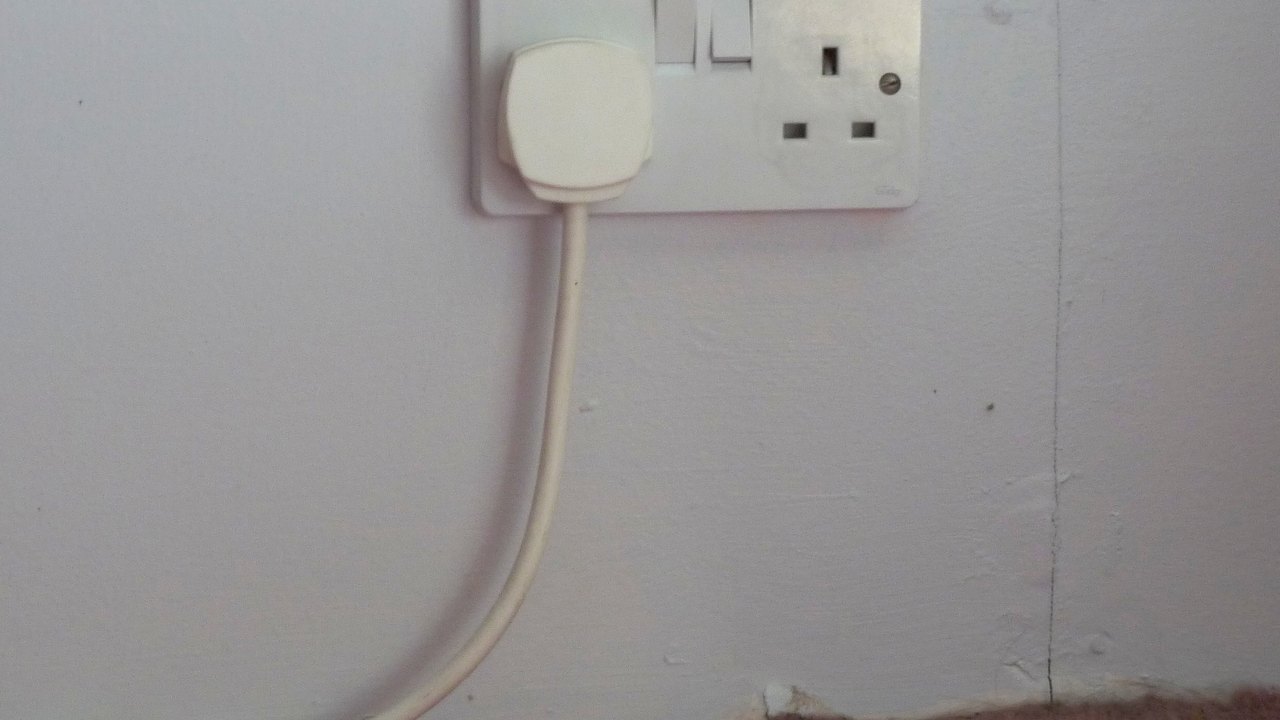
Why power management saves money
Nothing in a modern living room truly switches off. A set-top box holds its tuner and network connection alive for the sake of a two-second wake-up. A games console in rest mode downloads patches at 3am. A soundbar waits for an HDMI handshake that never comes. Individually these are 5-15W; together they run 24 hours a day, 365 days a year, which is where the money goes.
A smart plug fixes this in the dullest possible way: it cuts the socket. Set a schedule so the media unit dies at midnight and wakes at 6am, and you have removed six hours of pointless draw a day without anyone in the house noticing or having to remember anything.
The second half of the job is measurement. Monitoring plugs and whole-home energy monitors show which appliances actually cost you — and in most homes the answer is surprising. It's rarely the phone chargers everyone worries about; it's the second fridge, the dehumidifier, or a printer that never sleeps properly.
How much can you save?
Figures below assume a three-bedroom UK home with a typical media setup and around 25p per kWh under the Ofgem price cap, using scheduled smart plugs on the worst offenders.
| Cost area | Before | With smart plugs | Difference |
|---|---|---|---|
| TV, soundbar & set-top box standby | £38/yr | £4/yr | −£34 |
| Games console in rest mode | £31/yr | £6/yr | −£25 |
| Chargers, printer & desk kit | £22/yr | £5/yr | −£17 |
| Smart plugs' own standby draw | £0 | £6/yr | +£6 |
Net saving for a typical household: roughly £70 a year, against a one-off hardware cost of £30-£50.
The three types of power management kit
Most homes need a few of each: plugs for single appliances, a strip for the media unit, and one monitor to tell you where to point them.
Smart Plugs
The entry point. Schedule, switch and meter any single appliance from your phone, and cut standby drain on TVs, consoles and chargers automatically overnight.
Read the power management guideSmart Power Strips
One strip covers an entire media unit or desk setup. Individually switched sockets mean the router stays up while the TV, soundbar and console all shut down together.
See standby drain dataEnergy Monitors
Whole-home clamps and circuit-level monitors show where the watts actually go, so you fix the £40-a-year problem rather than the £3-a-year one.
Compare energy monitorsOur top picks
Three smart plugs that work reliably on UK sockets, compared on price, best use case and their own standby draw.
TP-Link Tapo P110
4.7TP-Link · Best for Energy monitoring on a budget — the default recommendation
£13 · ~0.5W standby draw
Meross Smart Plug
4.4Meross · Best for Buying in bulk and HomeKit households
£9 (4-pack £28) · ~0.7W standby draw
Kasa EP25 Smart Plug
4.6TP-Link Kasa · Best for Slim design and rock-solid app reliability
£11 · ~0.6W standby draw
You might also like
Best Smart Plugs UK [2026]
The plugs worth buying to kill standby drain, compared on UK prices.
Best Home Energy Monitors UK [2026]
See exactly where your electricity goes before you spend on kit.
Smart Heating Controls Hub
The biggest prize — heating is over half of a typical UK bill.
Smart Lighting Hub
Schedules and sensors that stop lights burning in empty rooms.
Home Energy Monitoring Guide
Measure first: see exactly which circuits cost you money.