Why You Need a Hub
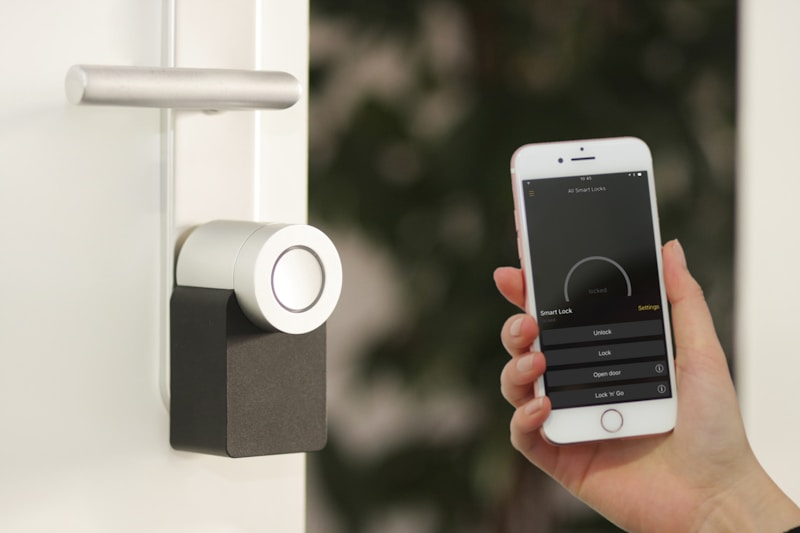
As smart home devices multiply, managing them becomes increasingly complex. You might have smart bulbs from one brand, a thermostat from another, and smart plugs from a third. A smart home hub brings order to this chaos, providing a single point of control and enabling devices from different manufacturers to work together seamlessly.
The concept is simple: instead of juggling multiple apps and hoping your devices cooperate, a hub connects everything through one interface. Tell your hub "goodnight" and it can turn off all the lights, lock the doors, set the thermostat to sleep mode, and arm your security system—all from one command.
Voice assistants like Amazon Echo and Google Nest Hub serve as excellent starting points for most households. They're affordable, easy to set up, and work with thousands of devices out of the box. For Apple households, the HomePod Mini integrates with HomeKit devices and offers particularly strong privacy credentials.
For those who want deeper control, dedicated smart home hubs like Samsung SmartThings or the new Aeotec hub support additional protocols like Zigbee and Z-Wave. These protocols are more reliable than WiFi for smart home devices and use less power, making them ideal for sensors and battery-powered devices.
The emerging Matter standard promises to simplify everything further. Matter allows devices from different brands to work together natively, without relying on specific ecosystems. As more devices adopt Matter support, choosing a hub becomes less about ecosystem lock-in and more about which interface you prefer.
Key Benefits
- ✓Centralized control of all smart devices
- ✓Create automations and routines
- ✓Voice control integration
- ✓Remote access from anywhere
- ✓Energy monitoring and optimization
Top Smart Home Hubs Compared
Our top picks based on features, value, and real user reviews.
| Product | Rating | Price | Savings | Best For |
|---|---|---|---|---|
Amazon Echo (4th Gen) Amazon | 4.6 | £89 | Voice-controlled automation | Alexa ecosystem users |
Apple HomePod Mini Apple | 4.5 | £99 | Siri automations | iPhone and HomeKit users |
Google Nest Hub Google | 4.5 | £79 | Google Home routines | Google ecosystem users |
Samsung SmartThings Hub Samsung | 4.3 | £119 | Zigbee/Z-Wave devices | Multi-protocol support |
Aeotec Smart Home Hub Aeotec | 4.4 | £129 | Works during internet outages | SmartThings with local control |
Hubs enable automations that turn off devices when not needed and optimize heating/lighting schedules, preventing energy waste.
Buying Guide
What to consider before you buy.
Choose your ecosystem first
Pick based on your existing devices and preferences. If you're already in the Apple world, HomePod makes sense. Android users often prefer Google, while Alexa has the widest device compatibility.
Consider protocol support
Zigbee and Z-Wave devices need a compatible hub. Matter is the new universal standard. Some hubs support all protocols, while voice assistants alone may only work with WiFi devices.
Think about local vs cloud processing
Most hubs require internet for automations. Some (like Hubitat or Home Assistant) process locally, working during outages and offering more privacy.
Check automation capabilities
Simple hubs offer basic routines. Advanced hubs allow complex 'if this then that' automations, scenes, and integrations between different device brands.
Frequently Asked Questions
Common questions about smart home hubs.