Best Smart Light Bulbs UK: 4 Top Picks [2026]
How this guide was made: this is a research-based roundup, not a hands-on lab review. Picks are based on manufacturer specifications, verified UK owner reviews, independent published test results, price history and what UK buyers are actually choosing. More on the method.
![Illustrative photo for the guide “Best Smart Light Bulbs UK: 4 Top Picks [2026]”](/images/products/philips-hue-white-colour.webp)
You bought a smart bulb, it didn't fit, or it flickered on the dimmer, or it kept dropping off the Wi-Fi. Most smart-bulb regret comes down to three things people don't check first: the fitting, the switch on the wall, and whether you need a hub.
Which smart light bulbs are best in the UK?
Philips Hue suits homes wanting reliability and a hub-based system, Govee and TP-Link Tapo suit budget Wi-Fi setups, and IKEA sits between the two. Check your fitting first — B22 bayonet, E27 screw or GU10 spotlight — because that limits your options more than brand does.
Smart light bulbs are the cheapest way into a smart home — screw one in, open an app, and suddenly the lamp in the corner has schedules, dimming, colour and voice control. But the shelves are full of near-identical bulbs at wildly different prices, and the £8 one and the £45 one really are not the same product.
This guide compares the four smart bulbs worth buying in the UK in 2026 — Philips Hue, TP-Link Tapo, WiZ and IKEA TRÅDFRI — on price, brightness, app quality, and what they actually cost to run.
At a glance: how the picks compare
Typical UK prices and published specs at the time of writing — always check the live price.
| Product | Best for | Connection | Brightness | Price | Retailer link |
|---|---|---|---|---|---|
| Best overallPhilips Hue White & Colour Ambiance | Rock-solid response and the widest accessory ecosystem. | Zigbee (bridge) | 1,100 lm | around £45 | Check PriceAffiliate · Amazon UK |
| Best valueTP-Link Tapo L530E | Cheapest sensible way to try colour smart lighting. | Wi-Fi, no hub | 806 lm | around £10 | Check PriceAffiliate · Amazon UK |
| Best no-hub colourWiZ Colour | Good scenes and Matter support without a bridge. | Wi-Fi + Bluetooth | 806 lm | around £13 | Check PriceAffiliate · Amazon UK |
| Best budget whiteIKEA TRÅDFRI | Filling a whole house with warm-white smart bulbs cheaply. | Zigbee (hub) | 806 lm | around £8 | Check PriceAffiliate · Amazon UK |
Best overall
Philips Hue White & Colour Ambiance
Rock-solid response and the widest accessory ecosystem.
- Connection
- Zigbee (bridge)
- Brightness
- 1,100 lm
- Price
- around £45
Check PriceAffiliate · Amazon UKBest value
TP-Link Tapo L530E
Cheapest sensible way to try colour smart lighting.
- Connection
- Wi-Fi, no hub
- Brightness
- 806 lm
- Price
- around £10
Check PriceAffiliate · Amazon UKBest no-hub colour
WiZ Colour
Good scenes and Matter support without a bridge.
- Connection
- Wi-Fi + Bluetooth
- Brightness
- 806 lm
- Price
- around £13
Check PriceAffiliate · Amazon UKBest budget white
IKEA TRÅDFRI
Filling a whole house with warm-white smart bulbs cheaply.
- Connection
- Zigbee (hub)
- Brightness
- 806 lm
- Price
- around £8
Check PriceAffiliate · Amazon UK
The Short Answer
Best overall: Philips Hue White & Colour Ambiance. The most reliable bulbs, the best app, and an ecosystem of switches, sensors and lightstrips that nothing else matches. You pay for it.
Best value: TP-Link Tapo L530E. Colour, dimming, schedules and no hub at budget-bulb prices. For most rooms this is the sensible buy.
Best hub-free colour: WiZ. Signify's budget brand (same parent as Hue), with excellent colour scenes over plain Wi-Fi.
Best budget starter: IKEA TRÅDFRI. Cheap, well-made Zigbee bulbs that also pair with a Hue Bridge if you upgrade later.
How Smart Bulbs Work (and What They Cost to Run)
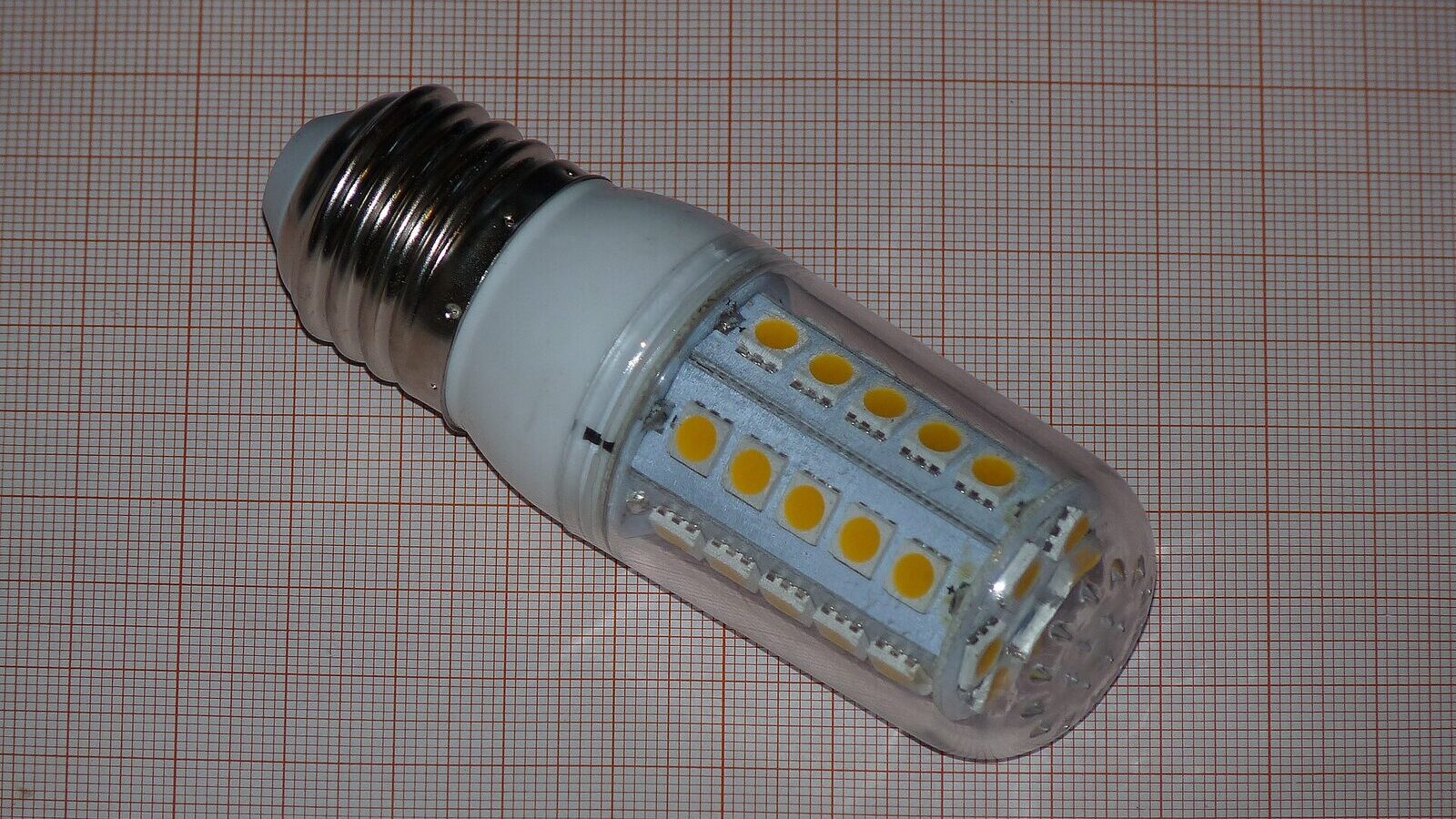
Every smart bulb is an LED with a small radio inside. Wi-Fi bulbs talk directly to your router; Zigbee bulbs talk to a bridge, which then talks to your router. Wi-Fi is simpler and cheaper to start; Zigbee is faster, more reliable at range, and doesn't put dozens of devices on your home network.
On running costs, the maths is friendlier than most people assume. A 9W smart bulb replacing a 60W incandescent used three hours a day saves roughly 56 kWh a year. The standby draw of the radio is about 0.2-0.5W. The LED upgrade wins comfortably, though savings depend on your home, tariff and usage.
The bigger saving is behavioural: schedules that stop the hallway light burning all evening, motion rules that turn lights off in empty rooms, and dimming that runs bulbs at 40% instead of full output.
The Best Smart Light Bulbs UK Comparison Table
| Smart Bulb | Typical UK Price | Hub Needed | Brightness | Best For | Where to Buy |
|---|---|---|---|---|---|
| Philips Hue White & Colour | Check current price | Hue Bridge (best experience) | ~1,100 lm | Best all-round system | Check PriceAffiliate link · Amazon UK |
| TP-Link Tapo L530E | Check current price | No | ~806 lm | Best value colour | Check PriceAffiliate link · Amazon UK |
| WiZ Colour A60 | Check current price | No | ~806 lm | Hub-free colour scenes | Check PriceAffiliate link · Amazon UK |
| IKEA TRÅDFRI | Check current price | TRÅDFRI or Hue Bridge | ~806 lm | Cheapest Zigbee start | Check PriceAffiliate link · Amazon UK |
*Prices vary by retailer and change often — always check the current price. Multi-packs almost always reduce the per-bulb price.*
Get Your Free UK Home Energy Audit Checklist
Cut your energy bills with our UK home energy audit checklist, plus our best gadget deals — free.
1. Philips Hue White & Colour — Best Overall
Hue is the benchmark, and it has been for years. The bulbs are consistently well-made, the colour rendering is the most natural of anything here, and the Bridge-based Zigbee mesh means a bulb at the far end of the house responds as fast as one next to the router.
What you're really buying is the ecosystem. Hue Dimmer Switches and Tap Dials solve the wall-switch problem properly, motion sensors handle hallways and landings, and the app's scenes, schedules and 'formulas' are the most capable in the category. It works with Alexa, Google Home, Apple Home and Matter without drama.
Watch out for: the price. A Bridge plus three colour bulbs adds up quickly, and Hue's subscription features (secure camera-style automations, Hue Sync tiers) push higher. Buy Hue for the rooms where lighting matters and use cheaper bulbs elsewhere.
2. TP-Link Tapo L530E — Best Value
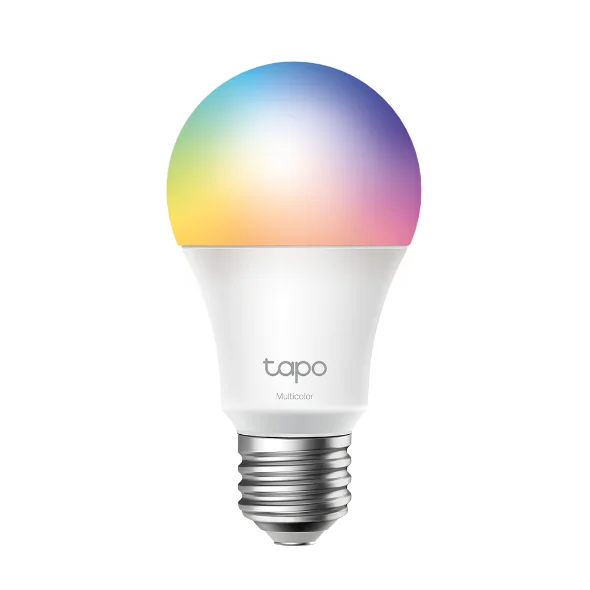
The Tapo L530E is the bulb most UK homes should actually buy. It's colour-capable, dimmable, schedulable, needs no hub, and routinely sells in multi-packs that work out at a fraction of Hue's per-bulb price.
The Tapo app is clean and quick, setup is genuinely a two-minute job, and integration with Alexa and Google Home is solid. If you already own Tapo smart plugs (a common starting point for UK households), everything sits in one app with shared automations.
Watch out for: it's Wi-Fi, so every bulb takes a slot on your router — fine for five or six, less fun at twenty. Colour saturation is a step below Hue, and response is occasionally a beat slower.
3. WiZ — Best No-Hub Colour Bulb
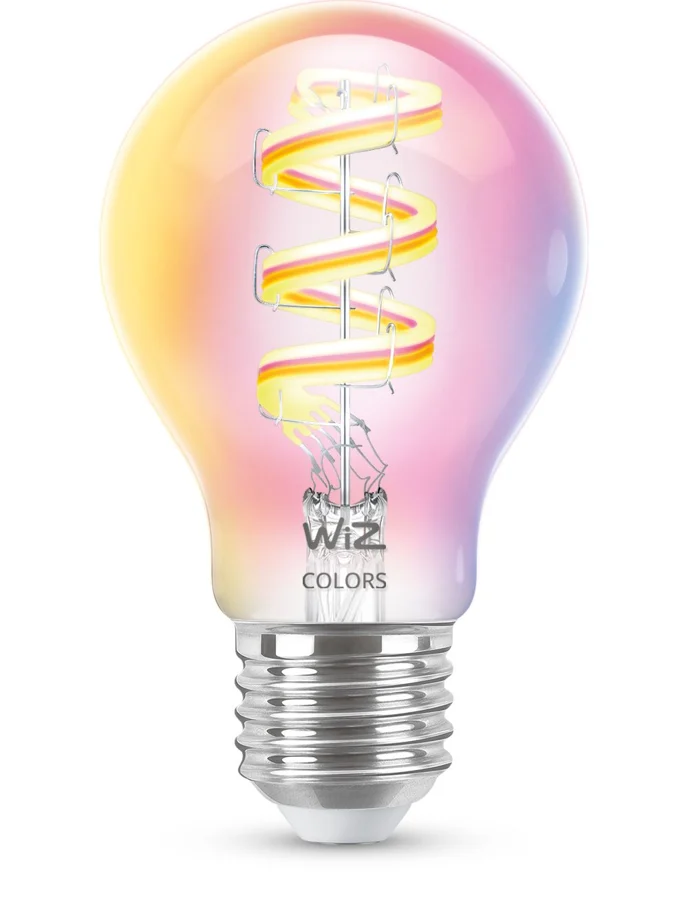
WiZ is owned by Signify, the same company behind Philips Hue, and it shows in the light quality. These are Wi-Fi bulbs with no bridge required, but the colour scenes and the tunable white range are noticeably better than most budget Wi-Fi bulbs.
The app leans into scenes and moods rather than deep automation logic, which suits living rooms and bedrooms. There's also a neat 'SpaceSense' feature on newer models that uses Wi-Fi signal disturbance as crude motion detection — no sensor to buy.
Watch out for: the app is less powerful than Hue's for complex rules, and like Tapo it's Wi-Fi, so it doesn't scale to whole-house installs as comfortably as Zigbee.
4. IKEA TRÅDFRI — Best Budget Starter
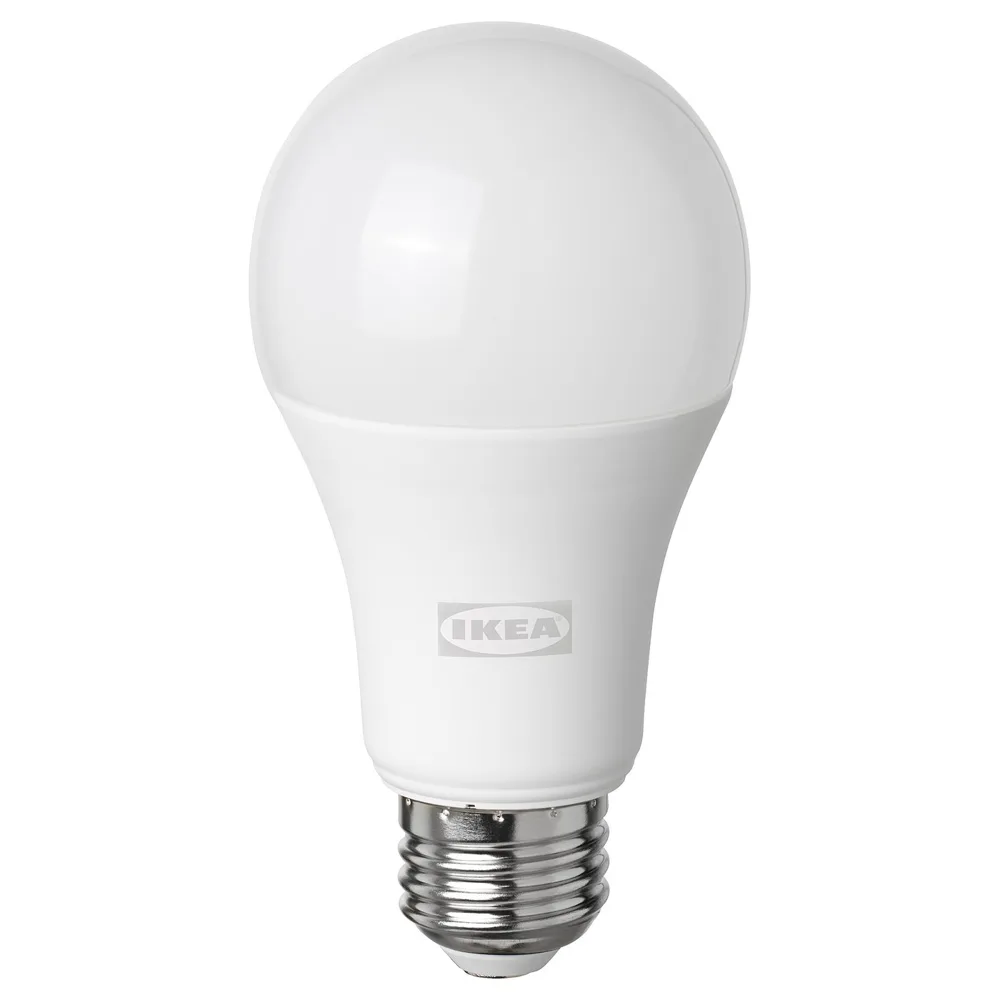
IKEA's smart lighting is quietly one of the best-value routes into a proper Zigbee setup. The bulbs are cheap, the build quality is better than the price suggests, and — the important bit — they pair with a Philips Hue Bridge as well as IKEA's own gateway.
That gives you an upgrade path: start with IKEA bulbs and an IKEA hub, and if you later buy into Hue, your existing bulbs move across rather than going in a drawer. IKEA's own remotes and motion sensors are also among the cheapest available.
Watch out for: colour options are more limited and the IKEA app is basic compared with Hue or Tapo. Stock availability is variable, and you'll usually need an IKEA order rather than next-day delivery.
What to Check Before You Buy
Your bulb fitting. UK homes use a mix of B22 bayonet and E27/E14 screw fittings. Bayonet is common in older British houses and not every smart bulb range stocks it — check before ordering, and check ceiling spots separately (those are usually GU10).
Brightness, not watts. Buy on lumens. Around 800 lm replaces an old 60W bulb and suits most rooms; 1,100 lm or more suits kitchens and open-plan spaces. A bright bulb dimmed down is always better than a dim bulb at full tilt.
The wall switch problem. A smart bulb is only smart while it has power. Decide now whether you'll add smart buttons over the switches, or simply train the household to leave switches on.
Wi-Fi or Zigbee. Under about eight bulbs, Wi-Fi (Tapo, WiZ) is simpler and cheaper. Beyond that, a Zigbee bridge (Hue, IKEA) is worth the up-front cost for speed, range and not overloading your router.
Matter support. If you want to mix brands or switch platforms later, look for Matter compatibility. Hue (via Bridge), Tapo and WiZ all support it in 2026; it makes moving between Alexa, Google and Apple Home far less painful.
Smart Light Bulb Questions UK Buyers Actually Ask
How do smart light bulbs work?
Inside the familiar bulb shape sits an LED array, a small radio and a controller chip. The radio keeps a permanent connection to either your router (Wi-Fi bulbs) or a bridge plugged into it (Zigbee bulbs), so the bulb is reachable whenever it has mains power. A command from the app or a voice assistant travels to the manufacturer's service, back to your home, and on to the bulb, which adjusts brightness or colour by varying the power sent to different LED channels. Nothing is stored in the wall switch — which is why the switch has to stay on for any of it to work.
Which bulb fitting do I need in a UK home?
Get this wrong and nothing else matters. British homes overwhelmingly use B22 bayonet and E27 Edison screw for ceiling and standard lamps, with E14 small screw for many table lamps and chandeliers, and GU10 for the recessed downlights in most modern kitchens and bathrooms. Check the fitting before you check the brand: the budget ranges in particular often launch in E27 first and add B22 and GU10 later, so the cheapest bulb in a range may simply not exist in the shape your ceiling needs.
Do smart bulbs work with dimmer switches?
Generally not, and this catches people out. A smart bulb expects full mains voltage and does its own dimming electronically; a traditional wall dimmer chops that supply, which produces flicker, buzzing, refusal to start or a shortened bulb life. The fix is to replace the dimmer with a plain switch and dim through the app instead, or to fit a smart switch designed to sit behind the faceplate. If you rent and cannot change the switch, leave a dimmer at full and dim in the app.
Are smart bulbs or smart switches the better buy?
It comes down to how many fittings the room has. A lamp or a two-bulb fitting is cheaper to make smart with bulbs. A kitchen with eight downlights costs far more in bulbs than in one switch behind the wall plate, and the switch keeps ordinary wall control working for guests and children. The trade-off is colour: a switch gives you on, off and dimming for the whole circuit, while bulbs give per-bulb colour and scenes. Most households end up with switches on the big fittings and bulbs in the lamps.
Can you use smart bulbs in a rented flat?
Yes — bulbs are the one smart-lighting route that needs no wiring, no drilling and no landlord conversation, and they unscrew and come with you when you move. The two limits are the wall switch problem, which a battery-powered button stuck beside the switch solves without touching the electrics, and the dimmer problem above. Anything that involves replacing a switch or a ceiling fitting needs permission; anything that screws into an existing socket does not.
The Verdict
Buying GuideFor most UK homes, TP-Link Tapo L530E is the smart bulb to buy — colour, dimming and schedules with no hub, at a price where kitting out a whole room doesn't sting.
If lighting is something you genuinely care about — scenes, sensors, wall dimmers, whole-house reliability — Philips Hue is worth every extra pound and remains the best system on sale. WiZ sits neatly between the two for colour without a hub, and IKEA TRÅDFRI is the cheapest way to find out whether smart lighting is for you.
Once the bulbs are in, pair them with schedules and a couple of motion rules — that's where the running-cost saving actually appears. If you're building out the rest of the house, our smart plugs guide and home energy monitors guide cover the next two upgrades worth making.
*Prices vary by retailer and change often — always check the current price before buying. This article contains affiliate links — see our disclosure. Running-cost figures are illustrative estimates based on typical UK unit rates and manufacturer specifications, not guarantees.*
Frequently Asked Questions
Keep reading
Smart Lighting Controls Guide
Schedules, sensors and switches that cut the lighting bill further.
Read the guideBest Smart Plugs UK [2026]
Metering plugs that expose standby drain and real running costs.
Read the guideBest Smart Thermostats UK [2026]
The biggest single saving in most UK homes — compared on real running costs.
Read the guide