How to Choose an Energy-Saving Gadget That Pays Off [2026]
How this guide was made: this is a research-based roundup, not a hands-on lab review. Picks are based on manufacturer specifications, verified UK owner reviews, independent published test results, price history and what UK buyers are actually choosing. More on the method.
How do I choose an energy-saving gadget that actually saves money?
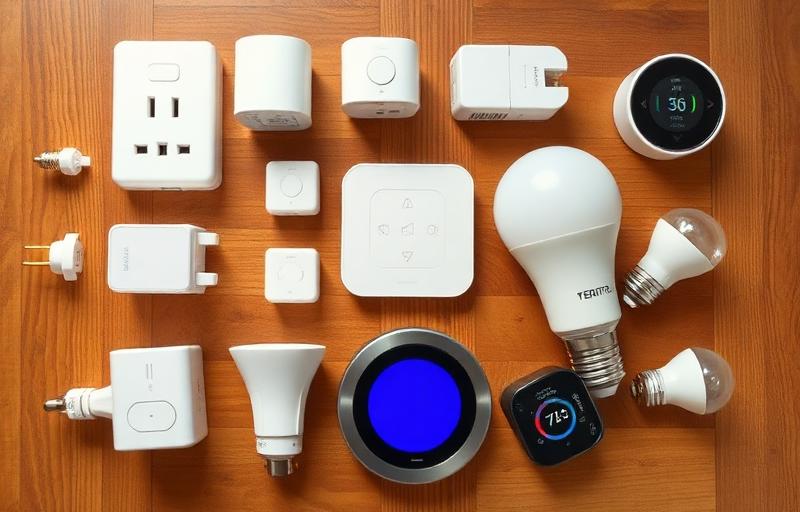
Start with a measured problem, such as high standby use or heating empty rooms, then pick the gadget that solves exactly that. Check UK compatibility, running costs and any subscription, and compare the realistic yearly saving against the purchase price before buying.
With hundreds of energy-saving gadgets flooding the market, choosing the right one can feel overwhelming. Every product claims to revolutionise your home and slash your bills, but the reality is more nuanced. The perfect gadget depends entirely on your specific situation, goals, and home setup.
This guide cuts through the marketing noise and provides a practical framework for evaluating energy-saving gadgets. Whether you're buying your first smart plug or planning a comprehensive smart home system, these expert tips will help you make informed decisions that deliver real value.
Define Your Energy Goals

Before browsing products, get crystal clear about what you want to achieve. Your goals determine which gadgets matter most:
Primary goal: Reduce electricity bills
Focus on high-impact items that address your biggest energy consumers:
• Smart thermostats (heating is 50%+ of bills for most UK homes)
• Smart power strips for entertainment centres
• Energy monitoring to identify waste
• LED lighting upgrades
Primary goal: Monitor and understand energy use
Start with visibility before making changes:
• Whole-home energy monitor (like Emporia Vue)
• Smart plugs with power monitoring
• Smart meter in-home display activation
Primary goal: Go off-grid or backup power
Invest in generation and storage:
• Solar panels with battery storage
• Portable power stations
• Solar-powered outdoor equipment
Primary goal: Convenience and automation
Focus on smart home infrastructure:
• Voice assistant (Echo, Google Home, HomePod)
• Smart hub for unified control
• Automated routines and scenes
Most people have multiple goals, which is fine. But knowing your priorities helps you allocate budget effectively and avoid impulse purchases that don't serve your main objectives.
Check Compatibility First
The single biggest mistake in smart home purchases is buying gadgets that don't work with your existing setup. Before clicking 'buy', verify these critical compatibility factors:
Smart Home Ecosystem
| Ecosystem | Best For | Strengths | Limitations |
|---|---|---|---|
| Amazon Alexa | Widest compatibility | Most devices supported, affordable | Privacy concerns |
| Google Home | Android users | Excellent voice recognition, Nest integration | Fewer devices than Alexa |
| Apple HomeKit | iPhone users | Best privacy, local control | Limited device selection |
Recommendation: If starting fresh, choose based on your smartphone. iPhone users should consider HomeKit; Android users lean toward Google Home. Alexa works well for mixed households.
Technical Requirements
Smart thermostats: Not all thermostats work with all boilers. Verify:
• Combi vs system boiler compatibility
• OpenTherm support (if applicable)
• Wiring requirements (some need a C-wire, others don't)
Smart lighting: Check for:
• 2.4GHz Wi-Fi requirement (many don't work on 5GHz)
• Dimmer switch compatibility (smart bulbs on dimmers cause problems)
• Hub requirements (Philips Hue needs a bridge; LIFX doesn't)
Smart plugs: Verify:
• UK plug type and power rating
• Wi-Fi frequency support
• Physical size (some block adjacent outlets)
Read Real Reviews Effectively
Product reviews are invaluable, but you need to read them strategically:
Filter for verified purchases – These are from people who actually bought and used the product, not marketing accounts.
Focus on 3-star reviews – These typically provide the most balanced perspective, mentioning both pros and cons. Five-star reviews are often too positive; one-star reviews are often user error or shipping issues.
Look for UK-specific feedback – Many energy products have different models for different regions. Ensure reviews are from UK users with UK electrical systems.
Check recency – A product with great reviews from 2022 might have quality issues in 2026 due to manufacturing changes. Prioritise reviews from the past 6-12 months.
Search for your specific use case – If you have a combi boiler, search reviews for 'combi'. If you're using HomeKit, search for that. Generic positive reviews may not apply to your situation.
Red Flags in Reviews
• Multiple reviews mentioning the same failure mode
• App or connectivity complaints (software issues are hard to fix)
• Poor customer service experiences
• 'Stopped working after X months' patterns
Get Your Free UK Home Energy Audit Checklist
Cut your energy bills with our UK home energy audit checklist, plus our best gadget deals — free.
Calculate True ROI

Not every energy gadget will repay its cost through savings. Before purchasing, calculate the realistic return on investment:
Step 1: Estimate annual energy savings
• Find the kWh savings (product claims or independent tests)
• Multiply by your electricity rate (~30p/kWh in 2026)
Step 2: Calculate payback period
• Divide product cost by annual savings
• Aim for payback within 2-3 years for most gadgets
Example calculation:
| Product | Cost | Annual Savings | Payback |
|---|---|---|---|
| Smart thermostat | Check current price | £150 | 1.3 years |
| Smart plug (with monitoring) | Check current price | £20 | 9 months |
| LED bulb (replacing 60W incandescent) | Check current price | £22 | 3 months |
| Solar garden lights (replacing mains) | Check current price | £15 | 2 years |
Important: Be realistic about savings claims. Manufacturers often cite best-case scenarios. Assume 60-70% of claimed savings for conservative estimates.
Consider the Ecosystem
Building a cohesive smart home ecosystem provides better value than random gadget purchases:
Google Nest Ecosystem
• Nest Thermostat, cameras, doorbells, speakers
• Best for Android users and those wanting learning features
• Strong integration between Nest products
Amazon Alexa Ecosystem
• Echo speakers, Ring cameras, wide third-party support
• Best for voice control enthusiasts
• Most affordable entry point
Apple HomeKit Ecosystem
• HomePod, Apple TV as hubs, strict privacy standards
• Best for iPhone users prioritising security
• Most limited device selection
Matter Standard
• New universal standard supported by all major platforms
• Look for Matter compatibility for future-proof purchases
• Allows devices to work across different ecosystems
Starting recommendation: Pick one ecosystem and build within it. Cross-platform setups work but require more troubleshooting.
Avoid Overbuying
It's tempting to buy every gadget that promises savings, but overbuying wastes money and creates complexity:
Start with the biggest impact:
A smart thermostat alone might save more than a dozen smart plugs combined. Heating is typically 50%+ of energy bills, so prioritise it first.
Add gradually:
Install one or two gadgets, learn how they work, measure the results, then expand. This approach prevents buyer's remorse and ensures each purchase delivers value.
Avoid redundancy:
Don't buy multiple monitoring solutions or overlapping automation systems. Choose one good option in each category.
Skip the novelty gadgets:
Many energy gadgets are more novelty than necessity. If the payback period exceeds 5 years or the savings are marginal, your money is better spent elsewhere.
How Products Are Assessed
Every gadget featured on MyGadgetDad is assessed against five criteria, using manufacturer specifications, independent reviews and verified owner feedback:
| Criterion | Weight | What It Covers |
|---|---|---|
| Real-world savings | 30% | Actual measured energy reduction |
| Ease of use | 25% | Installation, app quality, daily operation |
| Build quality | 20% | Materials, durability, warranty |
| Value for money | 15% | Price vs features vs alternatives |
| Smart home integration | 10% | Compatibility with major platforms |
Products must score well across all criteria to earn our recommendation. A gadget with amazing features but terrible app experience won't make the cut.
Making Your First Purchase
If you're just starting your energy-saving journey, here's the recommended sequence:
1. Smart plugs with monitoring (check current price): Buy 2-3 smart plugs with energy monitoring. Install on your biggest suspected energy users. Let them run for a month to identify where your energy actually goes.
2. Smart thermostat (check current price): Once you understand your heating patterns, invest in a smart thermostat. This delivers the biggest single-product savings for most UK homes.
3. Expand based on data: Use the insights from your smart plugs and thermostat to guide further purchases. If phantom power is high, add more smart plugs. If lighting is a major cost, upgrade to smart LEDs.
Frequently Asked Questions
Keep reading
Best Smart Light Bulbs UK: 4 Top Picks [2026]
Running costs in pence per year, brightness compared and the UK picks worth buying.
Read the guideBest Smart Plugs UK [2026]
Metering plugs that expose standby drain and real running costs.
Read the guideBest Smart Thermostats UK [2026]
The biggest single saving in most UK homes — compared on real running costs.
Read the guide