
7 Ways to Cut Your Electricity Bill in the UK [2026]
How this guide was made: this is a research-based roundup, not a hands-on lab review. Picks are based on manufacturer specifications, verified UK owner reviews, independent published test results, price history and what UK buyers are actually choosing. More on the method.
What is the quickest way to cut my electricity bill?
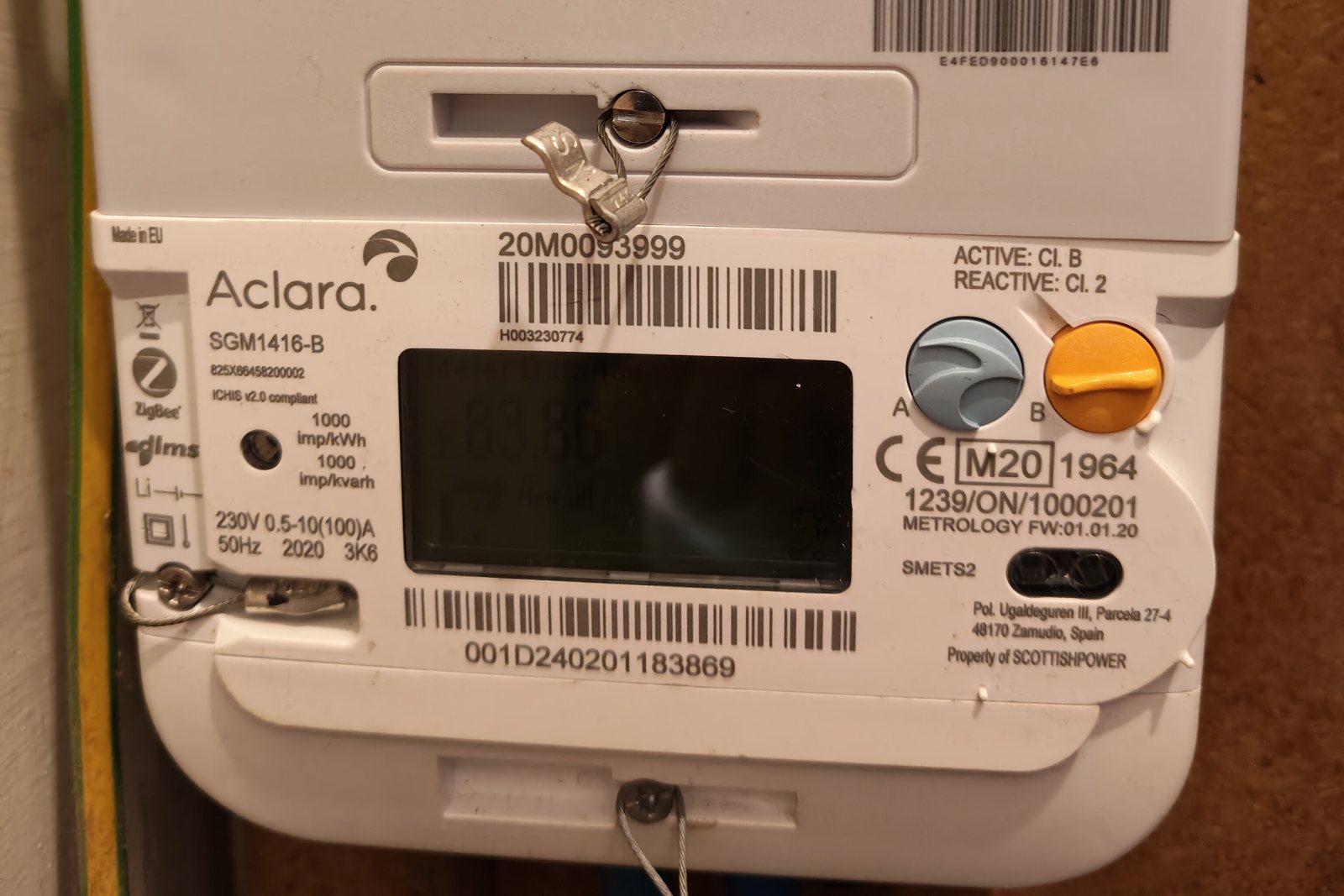
Start by finding what uses the most: check your smart meter display and measure suspect appliances with a plug-in meter. Then tackle the big loads first — tumble drying, electric heating and old fridges — before standby devices. Savings depend on your tariff and habits, so measure before and after.
Headline claims of 75% savings are unrealistic for most UK homes, but combining the right steps can still make a real dent in your bill. UK households are facing record energy prices, with the average annual bill exceeding £2,000. The good news? Smart technology and energy efficiency improvements can dramatically reduce these costs without sacrificing comfort or convenience.
In this comprehensive guide, we explore seven proven methods that, when combined, can reduce your electricity costs — by how much depends on your home. We'll break down the savings potential, implementation costs, and practical steps for each strategy so you can prioritise based on your budget and circumstances.
LED Lighting Upgrade
Potential Savings: 10-15% of electricity bill
LED bulbs represent the easiest and most cost-effective starting point for any energy-saving journey. These remarkable bulbs use 75% less energy than incandescent and 50% less than compact fluorescent (CFL) alternatives while lasting 25,000+ hours – that's over 20 years of typical use.
| Bulb Type | Wattage (60W equivalent) | Annual Cost (4hrs/day) | Lifespan |
|---|---|---|---|
| Incandescent | 60W | £26 | 1,000 hours |
| CFL | 13W | £5.70 | 8,000 hours |
| LED | 9W | £3.90 | 25,000 hours |
For a typical home with 20 bulbs, switching from incandescent to LED can lead to significant savings, though these will depend on your home, tariff, and usage. LED bulbs are inexpensive — check current prices — and the investment typically pays back quickly.
Implementation tips:
• Start with the most-used bulbs (living room, kitchen) for immediate impact
• Choose warm white (2700K) for living spaces, cool white (4000K) for work areas
• Look for bulbs with high CRI (90+) for accurate colour rendering
• Consider smart LED bulbs for additional automation savings
Smart Thermostat Installation
Potential Savings: 15-20% of heating costs
Heating and cooling account for approximately 50% of home energy use, making smart thermostat installation one of the most impactful changes you can make. These intelligent devices learn your schedule, detect when you're away, and optimise temperatures automatically.
Top UK smart thermostats:
| Model | Price | Key Feature | Annual Savings |
|---|---|---|---|
| Google Nest | Check current price | Learning algorithm | £150-200 |
| Ecobee Premium | Check current price | Room sensors | £140-190 |
| Hive Active | Check current price | UK support | £120-160 |
| Tado | Check current price | Geofencing | £130-180 |
The learning capability of devices like Nest means your heating adapts to your actual routine rather than a fixed schedule. If you leave for work early on Tuesdays but work from home on Wednesdays, the thermostat adjusts automatically.
Geofencing takes this further by detecting when all household members have left and reducing heating accordingly. No more paying to heat an empty house because you forgot to adjust the thermostat.
Eliminating Phantom Power
Potential Savings: 5-10% of electricity bill
Phantom power (also called standby power or vampire power) is electricity consumed by devices when they're switched off but still plugged in. The average UK home wastes energy on phantom power – savings depend on your home, tariff and usage – energy that provides zero benefit.
Worst offenders in your home:
| Device | Standby Power | Annual Cost |
|---|---|---|
| Game console (instant-on) | 15-25W | Check current price |
| Set-top box/DVR | 15-30W | Check current price |
| Desktop computer | 5-15W | Check current price |
| Microwave display | 3-5W | Check current price |
Smart solutions:
• Smart power strips (check current price) automatically cut power to peripheral devices when the main device (TV) is turned off
• Smart plugs with scheduling (check current price) can cut power to devices overnight or when you're at work
• Timer switches (check current price) provide a low-tech solution for devices with fixed off-hours
Get Your Free UK Home Energy Audit Checklist
Cut your energy bills with our UK home energy audit checklist, plus our best gadget deals — free.
Efficient Appliance Upgrades
Potential Savings: 10-20% of electricity bill
When appliances reach the end of their life, replacing them with efficient models offers substantial savings. The key is understanding which upgrades offer the best return on investment.
Priority upgrades (highest impact):
| Appliance | Old Model Cost/Year | New A-rated Cost/Year | Annual Savings |
|---|---|---|---|
| Fridge-freezer | £120+ | Varies | Varies |
| Tumble dryer (heat pump) | £150 | £60 | £90 |
| Washing machine | £50 | £25 | £25 |
Don't replace working appliances prematurely – wait until they need replacement anyway. The most efficient new appliance still has environmental impact from manufacturing.
Solar Power Solutions
Potential Savings: 20-40% of electricity bill
Solar panels have become increasingly affordable, with installed 4kWp system quotes varying widely — get several MCS-certified quotes, and note the 0% VAT reduction. A south-facing roof in the UK can generate 3,400-4,000 kWh annually – often more than a household consumes.
Solar economics (2026):
• Installation cost: varies by installer – get quotes
• Annual generation: 3,400-4,000 kWh
• Annual bill savings: Savings depend on your home, tariff and usage
• Export income: £100-200 (Smart Export Guarantee)
• Payback period: 5-7 years
• System lifespan: 25-30 years
Adding battery storage (check current price) allows you to use solar-generated electricity in the evening rather than exporting cheap and importing expensive. This maximises self-consumption and increases overall savings.
Time-of-Use Optimization

Potential Savings: 5-15% of electricity bill
Time-of-use tariffs like Octopus Agile or Go offer different electricity rates throughout the day. Smart devices can automatically shift consumption to cheaper periods.
Typical rate variations:
• Off-peak (overnight): 10-15p/kWh
• Standard: 25-30p/kWh
• Peak (4-7pm): 35-50p/kWh
Devices to shift to off-peak:
• Electric vehicle charging (major savings)
• Washing machine and dishwasher
• Battery storage charging
• Water heating (if on a timer)
Smart home automation can handle this automatically, running appliances when rates are lowest without any manual intervention.
Insulation and Draft Proofing
Potential Savings: 10-25% of heating costs
Much of your heating energy escapes through poor insulation and drafts. Addressing these issues reduces the energy needed to maintain comfortable temperatures.
Insulation priorities:
| Improvement | Cost | Annual Savings | Payback |
|---|---|---|---|
| Loft insulation | Check current price | £150-200 | 2-3 years |
| Cavity wall insulation | Check current price | £100-200 | 3-7 years |
| Draft proofing | Check current price | £50-80 | 1-3 years |
| Double glazing | Check current price | £100-150 | 20-50 years |
Draft proofing offers the best return – it's cheap, easy to DIY, and delivers immediate results. Focus on windows, doors, letterboxes, and gaps around pipes and cables.
Combining Strategies for Maximum Savings
The savings percentages don't simply add up because some overlap, but combining multiple strategies compounds your results:
| Strategy | Individual Savings | Combined Effect |
|---|---|---|
| LED lighting | 10-15% | Foundation |
| Smart thermostat | 15-20% | Major impact |
| Phantom power | 5-10% | Easy addition |
| Appliance upgrades | 10-20% | When needed |
| Solar power | 20-40% | Game changer |
| Time-of-use | 5-15% | Optimisation |
| Insulation | 10-25% | Multiplier |
Your actual saving depends on your home, tariff and habits, so measure your usage before and after each change. Start with the low-cost, high-impact options and work toward larger investments over time.
Your Action Plan
Month 1-3 (Budget: varies):
• Replace most-used bulbs with LEDs
• Add smart power strips to entertainment centre and home office
• Draft-proof doors and windows
Month 3-12 (Budget: varies):
• Install a smart thermostat
• Add smart plugs to remaining high-power devices
• Get energy monitoring to identify remaining waste
Year 2+ (Budget: Variable):
• Plan solar panel installation
• Replace ageing appliances with efficient models
• Consider battery storage
Every improvement makes a difference. You don't need to implement everything at once – steady progress toward a more efficient home delivers both immediate savings and long-term benefits.
Frequently Asked Questions
Keep reading
Best Smart Light Bulbs UK: 4 Top Picks [2026]
Running costs in pence per year, brightness compared and the UK picks worth buying.
Read the guideBest Smart Plugs UK [2026]
Metering plugs that expose standby drain and real running costs.
Read the guideBest Smart Thermostats UK [2026]
The biggest single saving in most UK homes — compared on real running costs.
Read the guide