
Energy-Saving Gadgets Compared: Which to Buy First [2026]
How this guide was made: this is a research-based roundup, not a hands-on lab review. Picks are based on manufacturer specifications, verified UK owner reviews, independent published test results, price history and what UK buyers are actually choosing. More on the method.
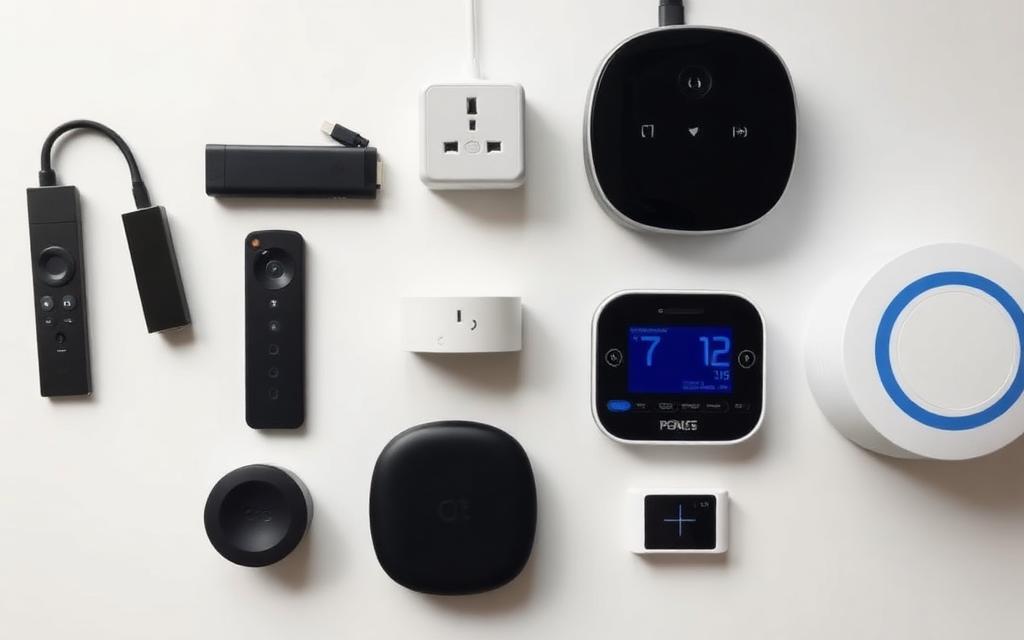
Which type of energy-saving gadget should I buy first?
For most UK homes, heating controls offer the biggest potential saving because heating dominates energy bills. Smart plugs and energy monitors are cheaper starting points that show where electricity goes. Choose based on your largest measured cost, not on which gadget is most popular.
With so many energy-saving gadgets available in 2026, choosing the right ones can be overwhelming. New products launch constantly, prices fluctuate, and features vary dramatically between brands. This comprehensive comparison guide cuts through the noise to help you make informed decisions based on your specific needs, budget, and smart home goals.
We have researched dozens of products across every major category against published specifications, independent test data and verified owner reviews, assessing energy savings, ease of use, reliability, and value for money. Whether you are building your first smart home or expanding an existing setup, this guide provides the clarity you need.
Smart Thermostats Compared
Smart thermostats offer the single biggest energy saving opportunity for most UK homes, with potential savings depending on your home, tariff and usage.
| Feature | Nest 4th Gen | Ecobee Premium | Hive | Tado |
|---|---|---|---|---|
| Price | Check current price | Check current price | Check current price | Check current price |
| Learning | Yes | No | No | No |
| Remote Sensors | Sold separately | 1 included | Sold separately | Sold separately |
| Geofencing | Basic | Good | Basic | Excellent |
| Voice Assistant | All | Alexa/Google | All | |
| Heat Pump Support | Yes | Yes | Limited | Yes |
| Subscription | None | Optional | None | Recommended |
| Our Rating | 4.5/5 | 4.5/5 | 4/5 | 4.5/5 |
Our Picks:
• Best overall: Nest 4th Gen – The learning capability genuinely works and requires minimal setup
• Best for large homes: Ecobee Premium – Included room sensor addresses hot/cold spots
• Best value: Hive – UK-focused design with professional installation option
• Best for irregular schedules: Tado – Excellent geofencing automatically adjusts when you leave
Smart Plugs Face-Off
Smart plugs provide an affordable entry point into smart home automation, perfect for controlling lamps, appliances, and eliminating phantom power.
| Feature | TP-Link Tapo P110 | Amazon Smart Plug | Eve Energy | Meross |
|---|---|---|---|---|
| Price | Check current price | Check current price | Check current price | Check current price |
| Energy Monitoring | Yes | No | Yes | Yes |
| Compact Size | Yes | Yes | No | Yes |
| Voice Control | All | Alexa only | Apple only | All |
| App Quality | Excellent | Good | Excellent | Good |
| Our Rating | 5/5 | 3.5/5 | 4/5 | 4/5 |
Our Pick: TP-Link Tapo P110 – Outstanding value with energy monitoring, compact design, and excellent app — hard to beat at its usual price.
LED Smart Bulbs
Smart bulbs combine LED efficiency with intelligent control. Prices have dropped significantly while features have improved.
| Feature | Philips Hue | LIFX | IKEA Tradfri | Nanoleaf |
|---|---|---|---|---|
| Price per Bulb | Check current price | Check current price | Check current price | Check current price |
| Hub Required | Yes | No | Yes | No |
| Max Brightness | 1600lm | 1100lm | 806lm | 1100lm |
| Colour Options | 16M | 16M | White/Tunable | 16M |
| Response Speed | Instant | Fast | Slight delay | Fast |
| Ecosystem Size | 300+ products | 50+ | 100+ | 40+ |
| Our Rating | 4.5/5 | 4/5 | 4.5/5 | 4/5 |
Our Picks:
• Best ecosystem: Philips Hue – Unmatched product range and reliability
• Best no-hub option: LIFX – Direct WiFi connection, vibrant colours
• Best budget: IKEA Tradfri – Remarkable value, works with HomeKit
• Best decorative: Nanoleaf – Stunning panels and light strips for visual impact
Get Your Free UK Home Energy Audit Checklist
Cut your energy bills with our UK home energy audit checklist, plus our best gadget deals — free.
Energy Monitors
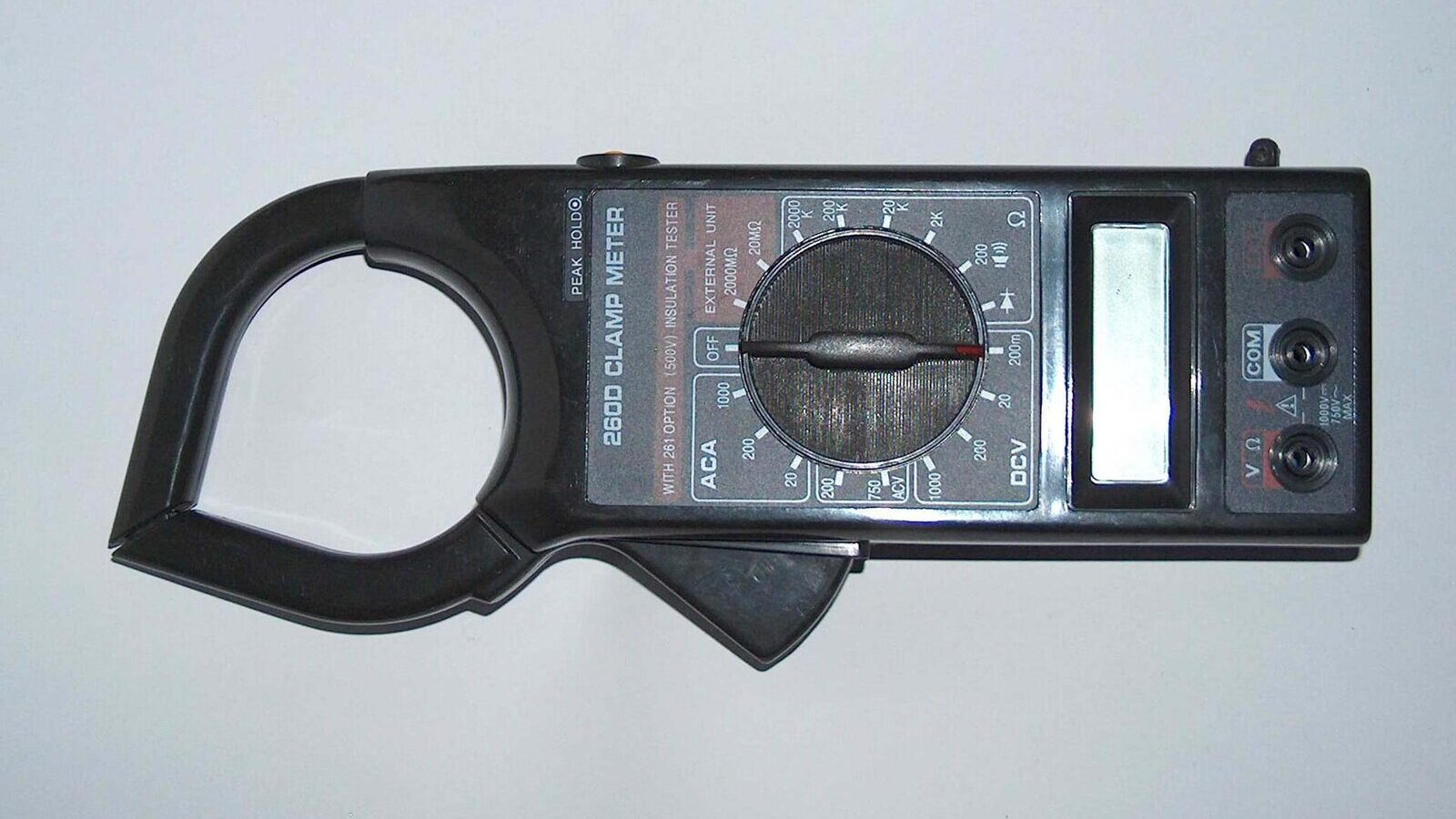
Understanding your energy consumption is the first step toward reducing it. These monitors reveal exactly where your electricity goes.
| Feature | Emporia Vue | Sense | Loop | Smart Meter IHD |
|---|---|---|---|---|
| Price | Check current price | Check current price | Free | Free |
| Circuit Monitoring | Yes (16) | No | No | No |
| Device Detection | Manual | Automatic | No | No |
| Solar Compatible | Yes | Yes | Yes | Some |
| Real-time Data | Yes | Yes | Delayed | Yes |
| Installation | DIY possible | Electrician | None | None |
| Our Rating | 5/5 | 4/5 | 3.5/5 | 3/5 |
Our Pick: Emporia Vue Gen 2 – Circuit-level monitoring at an affordable price reveals exactly which circuits consume the most energy. Installation is straightforward for confident DIYers.
Smart Power Strips
Smart power strips combine multiple outlets with intelligent control, perfect for entertainment centres and home offices.
| Feature | TP-Link Kasa HS300 | Meross MSS425F | Amazon Power Strip |
|---|---|---|---|
| Price | Check current price | Check current price | Check current price |
| Smart Outlets | 6 | 4 | 3 |
| Always-On Outlets | 0 | 2 USB | 2 USB |
| Energy Monitoring | Per outlet | Total only | No |
| Surge Protection | Yes | Yes | Yes |
| Our Rating | 4.5/5 | 4/5 | 3.5/5 |
Our Pick: TP-Link Kasa HS300 – Individual outlet monitoring and control provides maximum flexibility. See exactly which device uses what power.
Budget vs Premium Options
Smart home devices span a wide price range. Here is how budget and premium options compare:
| Category | Budget Option | Price | Premium Option | Price |
|---|---|---|---|---|
| Thermostat | Hive | Check current price | Nest 4th Gen | Check current price |
| Smart Plug | Tapo P110 | Check current price | Eve Energy | Check current price |
| Smart Bulb | IKEA Tradfri | Check current price | Philips Hue | Check current price |
| Energy Monitor | Smart Meter | Free | Emporia Vue | Check current price |
When to choose budget: Starting out, experimenting, or when the premium features are not needed for your use case.
When to choose premium: Building a comprehensive smart home, requiring advanced features, or when reliability is paramount.
Ecosystem Compatibility

Before purchasing, consider which ecosystem you want to build around:
Amazon Alexa:
• Widest device compatibility
• Affordable Echo speakers
• Excellent voice control
• Some privacy concerns
Google Home:
• Strong Android integration
• Excellent search and voice recognition
• Nest ecosystem synergy
• Growing device support
Apple HomeKit:
• Best privacy protection
• Seamless Apple device integration
• Secure local control
• More limited device selection
Matter (universal standard):
• Works across all platforms
• Future-proof purchases
• Growing adoption in 2026
• Look for Matter compatibility when buying new devices
Making Your Choice
Follow this decision framework for each purchase:
1. Define your goal: What problem are you solving? Energy savings, convenience, or both?
2. Check compatibility: Will it work with your existing ecosystem and devices?
3. Consider total cost: Include hubs, accessories, and subscriptions in your calculation
4. Read recent reviews: Look for real-world reliability feedback from the past 6 months
5. Start simple: Begin with one category, learn the technology, then expand
Recommended starting point:
• Smart thermostat (biggest savings)
• 2-3 smart plugs for high-use devices
• Energy monitor to identify opportunities
Build from there based on what you learn about your home's energy patterns. The best smart home is built gradually with purpose, not all at once on impulse.
Frequently Asked Questions
Keep reading
Best Smart Light Bulbs UK: 4 Top Picks [2026]
Running costs in pence per year, brightness compared and the UK picks worth buying.
Read the guideBest Smart Thermostats UK [2026]
The biggest single saving in most UK homes — compared on real running costs.
Read the guideBest Smart Plugs UK [2026]
Metering plugs that expose standby drain and real running costs.
Read the guide