
Best Solar Panels for UK Gardens and Sheds [2026]
How this guide was made: this is a research-based roundup, not a hands-on lab review. Picks are based on manufacturer specifications, verified UK owner reviews, independent published test results, price history and what UK buyers are actually choosing. More on the method.
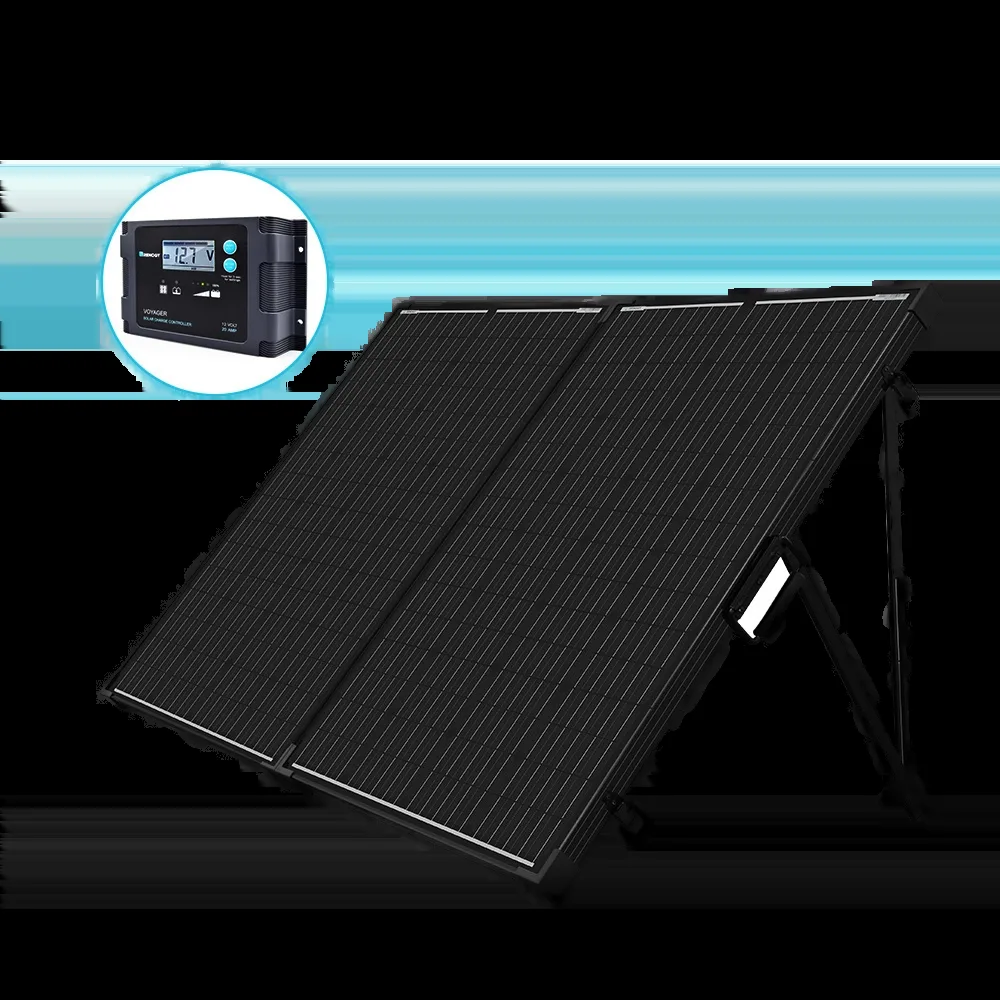
What size solar panel do I need for a shed or garden office?
Work out daily use in watt-hours, then size for UK winter, when output can be a fraction of summer levels. Small kits suit lights and phone charging; laptops, heaters or tools need a larger panel with a battery. Mains-powered heating is rarely practical on solar alone.
A shed, garden office or workshop is one of the most satisfying places to put solar to work: the loads are small, the roof is usually unshaded, and running a mains cable down the garden is expensive and disruptive. This guide is based on published specifications, UK yield data and the patterns owners report — not lab testing — and covers what works, what does not, and how to size it. If you also want portable power for the same spaces, our portable power stations guide covers the all-in-one alternative.
The Short Answer
For lighting, charging, tools and a garden office's electronics, a small solar setup is genuinely effective from spring to autumn and workable — with realistic expectations — year-round. For heating or heavy loads, the sums rarely work at shed scale. The winners are modest systems matched to modest jobs: a panel, a battery if you need power after dark, and nothing connected to your house mains without an electrician.
What Garden Solar Can Realistically Power
Start from the load, not the panel. LED lighting for a shed or workshop: trivially easy. Charging laptops, phones, cordless-tool batteries and running a router or radio: comfortably within reach of a small system. A pond pump, greenhouse ventilation fan or water feature: ideal, because the demand peaks exactly when the sun shines.
The other end of the scale is just as clear. Electric heating of any kind, kettles, and heavy machinery are beyond shed-sized solar in practice — a small heater alone can draw more than a typical garden array generates. If those loads matter, the answer is a mains feed, not a bigger panel.
The Three Types of Garden Solar Setup
Direct solar — panel to device with no battery — suits daytime-only jobs like pond pumps and greenhouse fans. Cheapest and simplest, but dead after dusk. Solar plus battery — a panel charging a leisure-style battery or portable power station through a charge controller — is the standard garden-office and workshop arrangement, giving usable power in the evening and on dull days. Solar feeding a portable power station is the same idea in one box: solar input, battery, inverter and sockets integrated, which is why many owners skip separate components entirely.
The choice hinges on one question: do you need power when the sun is not shining? If no, keep it simple. If yes, storage is not optional.
Get Your Free UK Home Energy Audit Checklist
Cut your energy bills with our UK home energy audit checklist, plus our best gadget deals — free.
Sizing: How Much Panel Do You Need?
Work backwards from your daily use. Add up what you will run and for how long — a few LED lights, a laptop for a working day and some charging is a modest daily total that a single panel of a few hundred watts, plus a sensibly sized battery, can cover in the brighter months. Double it if you want comfortable winter margins, and treat manufacturer wattage as a best-case ceiling: real UK output depends on orientation, shading and season, and is routinely well below the sticker figure.
A common and sensible approach is to start with one panel and an expandable battery or power station, then add a second panel if winter proves tight — cheaper than over-buying on day one. Prices vary constantly, so compare current prices with retailers rather than trusting any fixed figure in a review, including this one.
UK Winter Reality Check
This is where garden solar guides usually go vague, so be blunt. Published UK figures put a well-sited panel's annual yield typically in the region of 750 to 1,000 kWh per kWp, but that average hides brutal seasonality: a clear June day can outproduce a gloomy December week. Short days, low sun angles and weeks of overcast mean a system sized generously for summer will feel feeble in January.
The practical responses are to tilt panels steeper for winter sun if the mounting allows, keep expectations seasonal, and size the battery so a string of dull days does not leave you dark. Anyone promising year-round abundance from a shed roof in Britain is selling something.
Roof, Ground or Fence: Where to Mount
A south-facing shed or garden-office roof at a decent pitch is the default and usually the best yield. East or west roofs work with reduced output; north-facing roofs are generally not worth the fixings. Ground-mounting on a frame lets you choose the perfect angle and makes cleaning easy, at the cost of garden space and — above modest size limits — potential planning questions. Fence and wall mounting suits small panels for lighting or camera duties.
Two UK-specific notes. Shading is the silent killer: a chimney, tree or neighbouring house shadowing the panel for part of the day cuts output disproportionately, so watch the site across a full day before committing. And permitted development rights usually cover outbuilding panels, but listed buildings, conservation areas and wall-mounted panels facing a highway are the common exceptions — a five-minute check with your local planning authority settles it.
The Electrical Safety Side
Keep two worlds separate. A self-contained low-voltage kit — panel, charge controller, battery, 12V outputs — is a reasonable DIY project if you follow the manufacturer's instructions. The moment anything touches your house mains, the rules change: a new circuit to an outbuilding or tying generation into your home wiring is notifiable work in England and Wales and needs a qualified electrician who can self-certify. The same caution applies to portable power stations used as a building's supply — treat them as the boundary, not a bridge, between the two systems.
When It Is Not Worth It
Be honest before buying. If your shed roof is shaded most of the day, no panel will fix that. If your real need is a warm garden office in January, solar alone will not deliver it. If the garden already has a convenient outdoor socket, a weatherproof extension of mains power may be cheaper and more reliable than any kit. And if the loads are tiny and occasional, a charged power station carried from the house beats a permanent install.
What to Do Next
List the loads you actually want to run, watch your site's sun for a full day, and decide whether you need power after dark. That three-step exercise narrows the field faster than any comparison table. For the storage side, our portable power stations guide compares the leading options, and the solar and outdoor power guide covers the simpler end of outdoor solar. Start small, learn your site's real output, and expand only when the numbers earn it.
Frequently Asked Questions
Keep reading
Solar & Outdoor Power UK [2026]
Panels, batteries and portable power stations with real UK payback maths.
Read the guideBest Portable Power Stations UK [2026]
Battery backup for power cuts, camping and garden tools, sized properly.
Read the guideBest Home Energy Monitors UK [2026]
See which circuits actually cost you money before you buy anything.
Read the guide