
Best Smart Speakers UK: 4 Top Picks [2026]
How this guide was made: this is a research-based roundup, not a hands-on lab review. Picks are based on manufacturer specifications, verified UK owner reviews, independent published test results, price history and what UK buyers are actually choosing. More on the method.
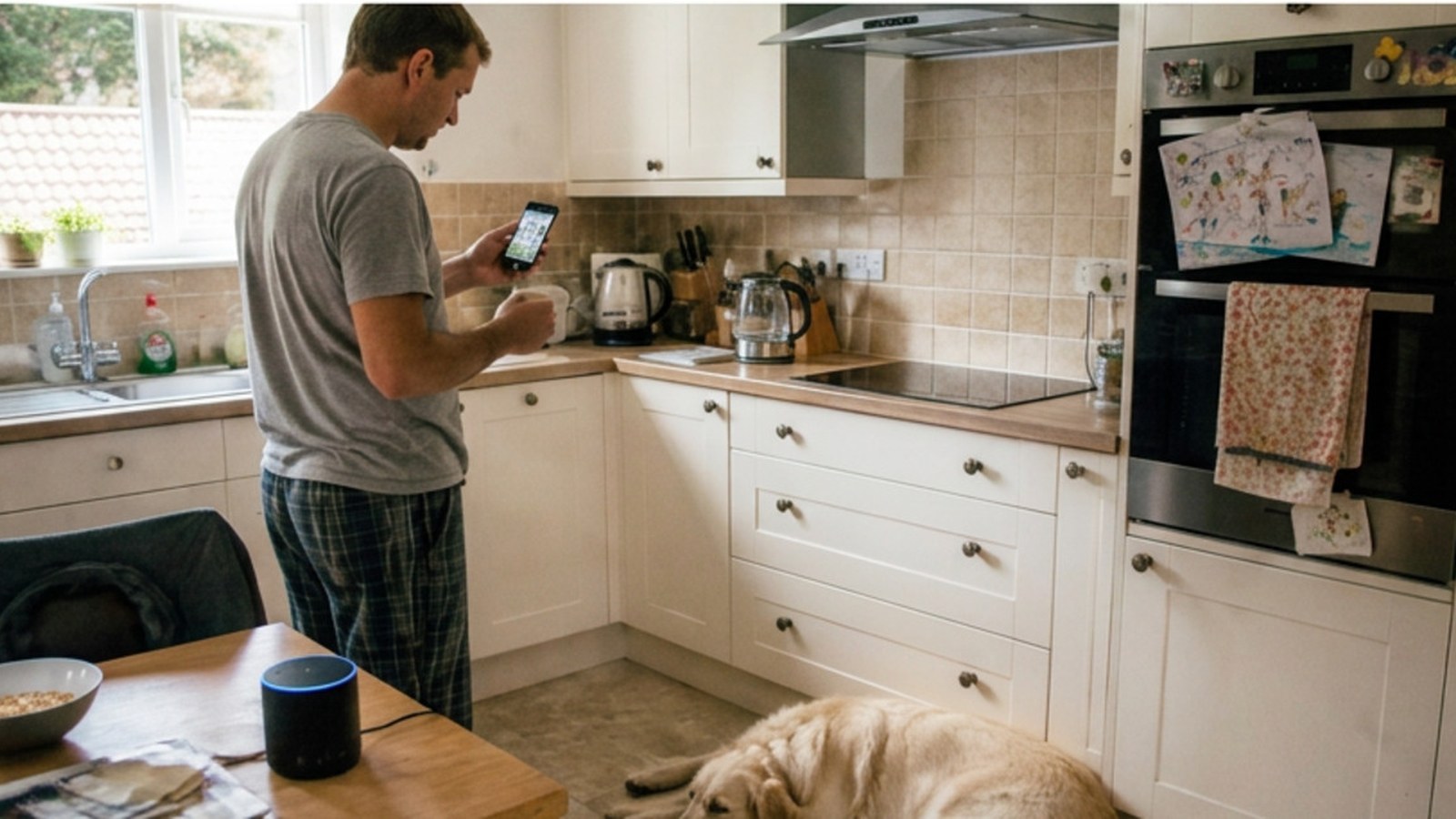
Maybe you just want the radio in the kitchen without hunting for your phone, or a timer while your hands are covered in flour. The right smart speaker depends less on sound quality and more on which assistant — Alexa, Google or Siri — already fits the rest of your home.
Which smart speaker should I buy in the UK?
Echo models suit Alexa households and the widest smart-home compatibility, Google Nest suits Android users and general questions, and HomePod suits Apple households. If you mainly want music quality rather than voice control, a standard Bluetooth speaker usually sounds better for the money.
A smart speaker is the cheapest thing in the smart home aisle and the one that decides everything else you buy. Pick an Echo and you're in Alexa's world; pick a HomePod mini and half the budget kit on Amazon stops being an option. The speaker is a £25-£150 purchase that quietly commits you to an ecosystem for years.
This guide compares the four smart speakers worth buying in the UK in 2026 — Amazon, Google, Apple and Sonos — on price, sound, smart home compatibility and what each one actually costs to run.
At a glance: how the picks compare
Typical UK prices and published specs at the time of writing — always check the live price.
| Product | Best for | Assistant | Sound | Price | Retailer link |
|---|---|---|---|---|---|
| Best overall valueAmazon Echo Dot (5th Gen) | Cheapest way to add voice control to a UK smart home. | Alexa | Good for size | around £55 | Check PriceAffiliate · Amazon UK |
| Best for Google homesGoogle Nest Audio | Better music quality and Google Home integration. | Google Assistant | Fuller bass | around £90 | Check PriceAffiliate · Amazon UK |
| Best for Apple homesApple HomePod mini | HomeKit control and AirPlay from iPhones. | Siri | Room-filling for size | around £99 | Check PriceAffiliate · Amazon UK |
| Best soundSonos Era 100 | When it is a speaker first and an assistant second. | Alexa / Sonos Voice | Stereo, best in class | around £249 | Check PriceAffiliate · Amazon UK |
Best overall value
Amazon Echo Dot (5th Gen)
Cheapest way to add voice control to a UK smart home.
- Assistant
- Alexa
- Sound
- Good for size
- Price
- around £55
Check PriceAffiliate · Amazon UKBest for Google homes
Google Nest Audio
Better music quality and Google Home integration.
- Assistant
- Google Assistant
- Sound
- Fuller bass
- Price
- around £90
Check PriceAffiliate · Amazon UKBest for Apple homes
Apple HomePod mini
HomeKit control and AirPlay from iPhones.
- Assistant
- Siri
- Sound
- Room-filling for size
- Price
- around £99
Check PriceAffiliate · Amazon UKBest sound
Sonos Era 100
When it is a speaker first and an assistant second.
- Assistant
- Alexa / Sonos Voice
- Sound
- Stereo, best in class
- Price
- around £249
Check PriceAffiliate · Amazon UK
The Short Answer
Best overall: Amazon Echo Dot (5th Gen). Cheapest route into the widest UK smart home ecosystem, frequently discounted in sales, and a genuine step up in bass over older Dots.
Best for Android homes: Google Nest Audio. Better music playback than a Dot and the best natural-language answers, if you already live in Google's apps.
Best for iPhone households: Apple HomePod mini. Tidy sound, strong privacy handling and the only one that works properly with Apple Home and HomeKit accessories.
Best sound quality: Sonos Era 100. A proper hi-fi speaker that happens to take voice commands — the pick if music matters more than gadget control.
Pick the Assistant First, the Speaker Second
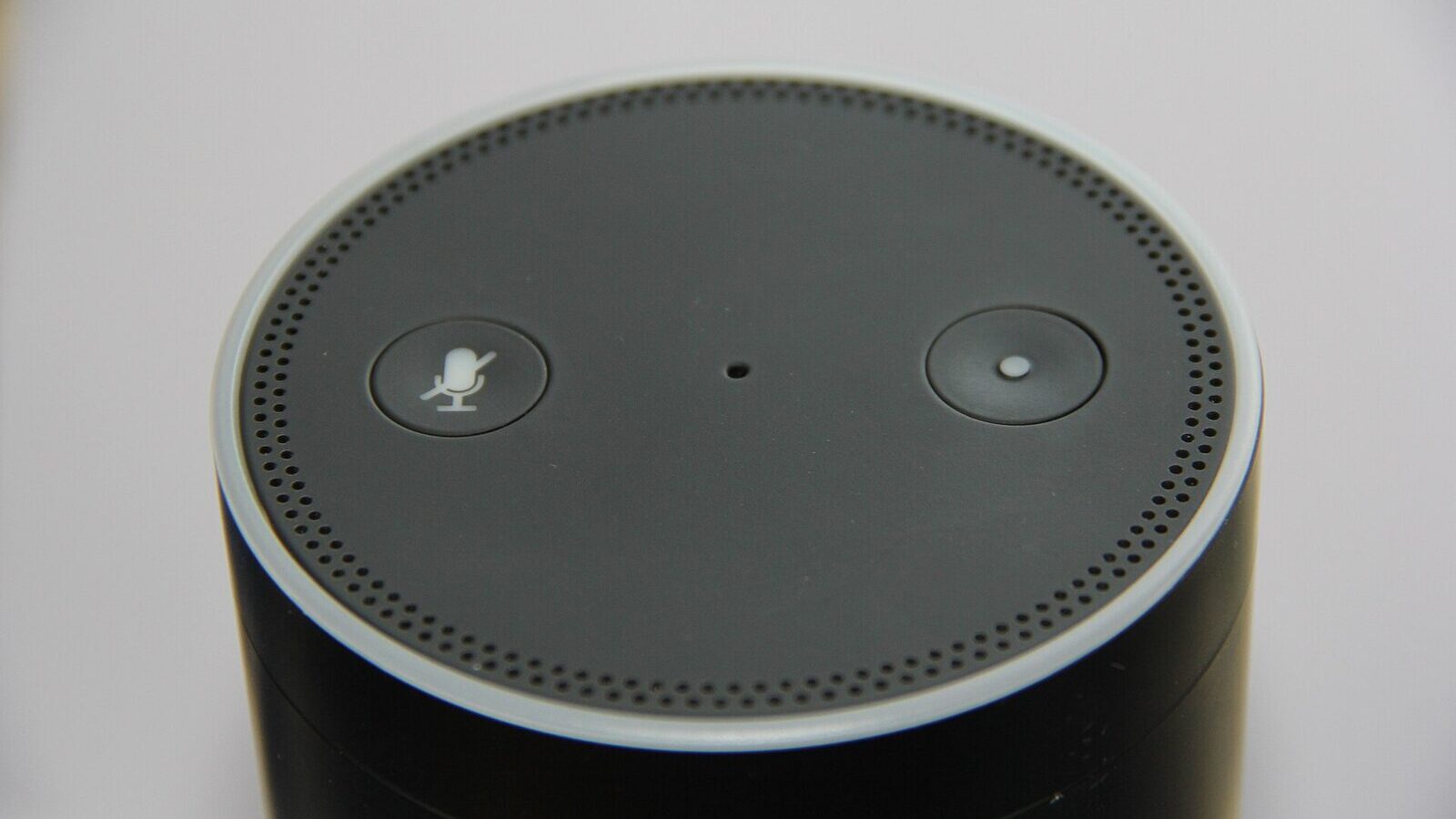
The hardware differences here are smaller than the ecosystem differences. Before comparing drivers and price, work out which assistant your house will tolerate.
Alexa has the broadest UK smart home support. Hive, Tado, Tapo, Ring, Hue and virtually every budget brand on Amazon integrate with it, and its routines editor is the most capable of the three for stringing several devices into one command.
Google Assistant answers spoken questions more naturally and is the obvious choice if your phone, calendar and photos are already Google. Its smart home device list is nearly as long as Alexa's in 2026.
Apple Home supports the fewest accessories but handles them most privately, processing more on-device. If everyone in the house has an iPhone, it's the least friction; if they don't, it's the most.
One 2026 caveat that makes this less permanent than it used to be: Matter. Most newer smart plugs, bulbs and sensors sold in the UK now support Matter, meaning they work across all three platforms. It doesn't erase the differences — routines and app quality still vary — but switching camps later is no longer a total write-off.
The Best Smart Speakers UK Comparison Table
| Smart Speaker | Typical UK Price | Assistant | Sound | Best For | Where to Buy |
|---|---|---|---|---|---|
| Amazon Echo Dot (5th Gen) | Check current price | Alexa | Good for size | Widest smart home support | Check PriceAffiliate link · Amazon UK |
| Google Nest Audio | Check current price | Google Assistant | Very good | Android and Google users | Check PriceAffiliate link · Amazon UK |
| Apple HomePod mini | Check current price | Siri | Good, room-filling | iPhone households | Check PriceAffiliate link · Amazon UK |
| Sonos Era 100 | Check current price | Alexa or Sonos Voice | Excellent | Music first | Check PriceAffiliate link · Amazon UK |
*Prices are typical UK street prices checked in August 2026 and move frequently — Echo and Nest devices are heavily discounted during sale events.*
Get Your Free UK Home Energy Audit Checklist
Cut your energy bills with our UK home energy audit checklist, plus our best gadget deals — free.
1. Amazon Echo Dot (5th Gen) — Best Overall
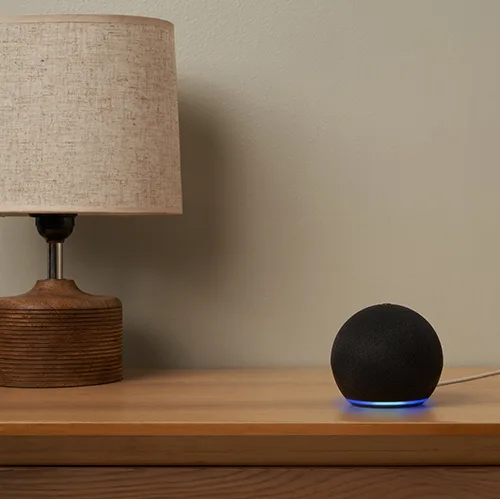
The Dot is the default recommendation for a reason: it is the cheapest way to add voice control to a room, and Alexa talks to more UK smart home kit than anything else. If you own a Hive thermostat, a Ring doorbell, Tapo plugs or Hue bulbs, everything just appears in the app.
The fifth-generation model is a real improvement on the older pucks — a bigger driver gives it enough bass to be a legitimate kitchen radio rather than a tinny novelty, and the built-in temperature sensor can trigger routines (turn a fan plug on above 24°C, for example), which is genuinely useful in a UK summer.
Watch out for: it's still a single small speaker, so don't buy it expecting to fill a living room with music. Buy two and pair them stereo if that's the goal, or step up to the standard Echo.
2. Google Nest Audio — Best for Android Homes
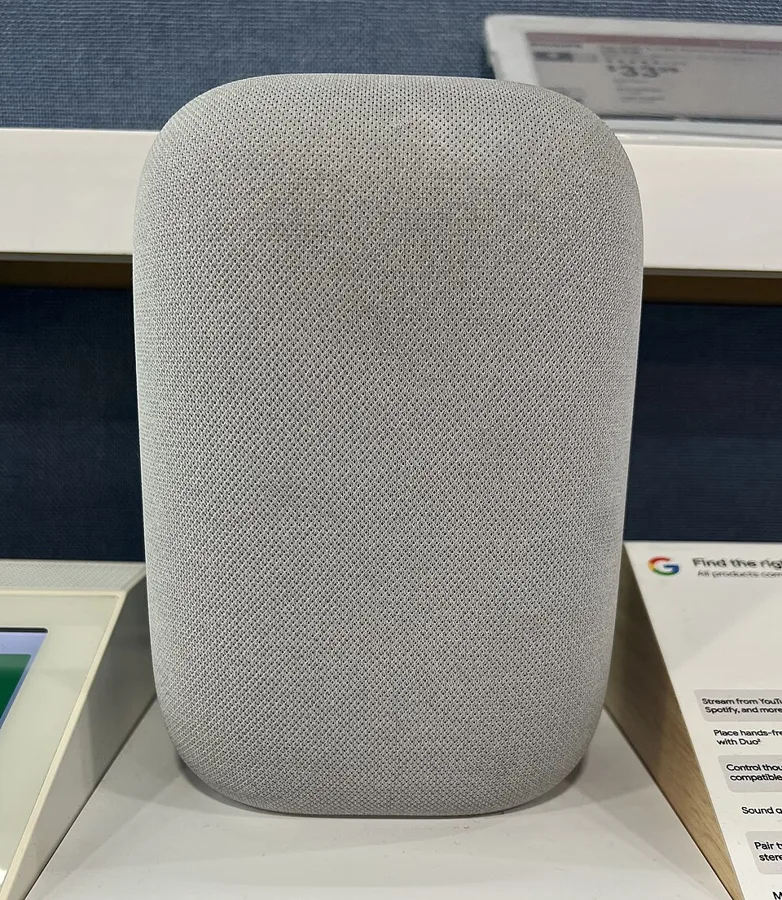
Nest Audio is the sensible pick if your phone, calendar, photos and TV are already Google. Assistant handles conversational questions better than Alexa, follow-up questions work without repeating the wake word, and casting from an Android phone or Chrome tab is seamless.
Sound is a clear step above an Echo Dot — a dedicated woofer and tweeter give it enough body for background music in a kitchen or bedroom without sounding thin.
Watch out for: Google's smart home support is broad but shallower in the UK budget-brand corner of the market, and Google has a habit of retiring features. Check your existing kit is listed before committing.
3. Apple HomePod mini — Best for iPhone Households
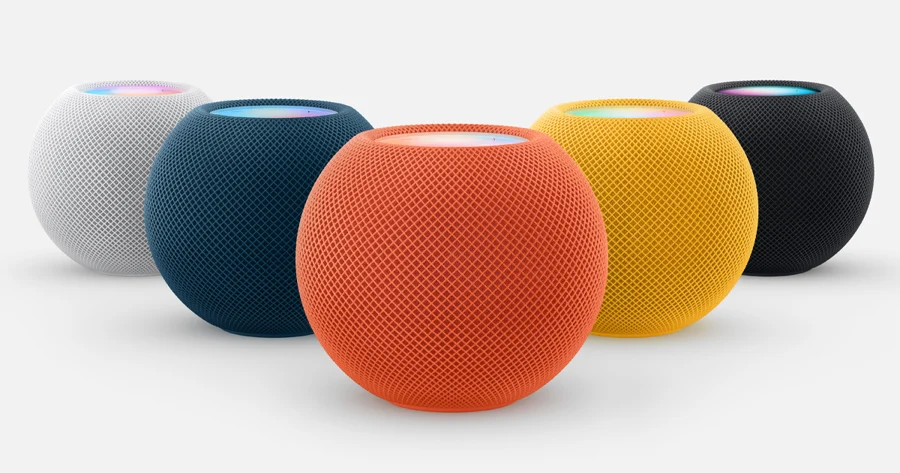
If everyone in the house carries an iPhone, the HomePod mini is the least annoying smart speaker to live with. Handoff from your phone works with a tap, Siri recognises different family voices, and Apple processes far more requests on-device than its rivals — the strongest privacy story of the four.
For its size the sound is remarkable: a genuinely room-filling, well-balanced output from something the size of a grapefruit, and two paired in stereo make a decent living-room setup.
Watch out for: Apple Home supports the fewest accessories, and Siri is still the weakest of the three at general questions. If half your household is on Android, pick something else.
4. Sonos Era 100 — Best Sound Quality
The Era 100 is the only speaker here you'd buy for the music alone. Two tweeters and a larger mid-woofer give it real stereo separation and bass that the others can't approach, and Trueplay tuning adapts it to the room it sits in.
It runs Alexa or Sonos' own voice assistant, so you still get voice control of smart home devices, and it slots into a multi-room Sonos system if you expand later.
Watch out for: it costs four to six times an Echo Dot, and no Google Assistant. Buy it as a speaker that happens to be smart, not as a smart home controller that happens to sound good.
Portable Smart Speakers
If you want a smart speaker you can carry into the garden, the choice narrows quickly. The Echo, Nest and HomePod models above all need mains power. Most battery Bluetooth speakers from brands such as JBL, Bose and Ultimate Ears have no built-in voice assistant, or only pass commands through to your phone.
The main exceptions are Sonos Roam 2 and Sonos Move 2, which combine a battery with Wi-Fi smart-speaker features, including Amazon Alexa support at the time of writing. Roam 2 is the small, lighter option; Move 2 is much larger and heavier but louder. Voice assistants on these typically need Wi-Fi, so away from home they behave like ordinary Bluetooth speakers. Check the assistant support on the current listing before buying, as Sonos has changed which assistants it supports over time.
Choose a portable smart speaker if: you regularly move music between rooms and the garden. Stick with a mains model if: it will live in one room, where you get better value for the money.
Does a Smart Speaker Save You Money?
On its own, no. A compact smart speaker draws roughly 2-3W around the clock, which is an ongoing cost, not a saving.
The savings appear when the speaker becomes the control layer for everything else. A single 'goodnight' routine can drop the thermostat, switch off the lights and cut power to a bank of standby devices at once. Standby loads alone can add to energy bills in an average UK home, and killing them with smart plugs tied to a routine is an easy win, with savings depending on your own usage and devices.
The same logic applies to heating, which is where the real money is. A voice-controlled smart thermostat or a set of smart radiator valves will save far more than the speaker costs — but only if the controls are convenient enough that people actually use them, and 'Alexa, heating off' is about as convenient as it gets.
So the honest framing: the speaker is the £25-£55 entry ticket to a system that saves money, not the thing doing the saving. If you want to see the savings rather than guess at them, a home energy monitor is the companion purchase.
Smart Speaker Questions UK Buyers Actually Ask
What is a smart speaker, exactly?
A smart speaker is a mains-powered wireless speaker with microphones and a voice assistant built in. It sits on your network waiting for a wake word, sends what follows to the assistant's servers, and acts on the reply — playing music, answering a question, setting a timer or sending a command to another device. The distinction from a Bluetooth speaker matters: a Bluetooth speaker is a dumb output for whatever phone is paired to it, while a smart speaker is a permanent network device that works whether or not anyone's phone is in the room.
How do smart speakers actually work?
The wake-word detection happens on the device itself, using a small amount of local processing that listens for one specific sound pattern and nothing else. Once it triggers, the speaker streams the following few seconds to the assistant's cloud, which converts speech to text, works out the intent, and returns either audio or an instruction. Smart home commands then go out from the cloud to the device maker's own service — which is why 'Alexa, turn off the lamp' can fail during an internet outage even though the speaker and the lamp are three feet apart on the same Wi-Fi.
What are smart speakers actually used for?
UK household usage is more mundane than the adverts suggest. Timers and alarms while cooking, radio and music, weather and news briefings, unit conversions and spelling questions, and hands-free control of lights and heating are the everyday uses that stick. The features people buy for and then abandon are shopping lists, calendar management and multi-step routines — not because they work badly, but because they require the household to change habits rather than fitting the ones it already has.
Can smart speakers play UK radio stations?
Yes, and this is the single most-used feature in many British homes. All four picks reach BBC stations, commercial networks and internet-only stations, though the routes differ: some pull from TuneIn, others from the broadcaster's own service, and BBC Sounds availability on third-party speakers has changed more than once. If a specific station is the reason you are buying, check that station's own support page for supported devices before ordering rather than assuming the speaker covers it.
Are smart speakers worth it?
As a standalone purchase, the honest answer is that a smart speaker is a convenience, not an investment — a kitchen timer and radio you do not have to touch with wet hands. It earns its keep when it becomes the control surface for things that do save money: heating that goes off when you leave, plugs that cut standby loads, lights that stop burning in empty rooms. Buy one to run a smart home and it is good value; buy one expecting it to change how you live on its own and it will end up as a radio.
How much does a smart speaker cost to buy and run?
The entry tier sits at the price of a takeaway and the top of the range at several hundred pounds, with heavy discounting on the Amazon and Google entry models during sale periods — worth waiting for if you are buying more than one. Running cost is trivial by comparison: a compact model idles at a few watts, which lands in single-digit pounds per year at typical UK unit rates. The real cost of a smart speaker is not electricity, it is the ecosystem it commits you to for the next few years of purchases.
The Verdict
Buying GuideFor most UK homes, the Amazon Echo Dot (5th Gen) is the smart speaker to buy — cheapest way in, widest device support, and good enough sound for a kitchen or bedroom.
Android households will be happier with the Google Nest Audio, iPhone-only households with the Apple HomePod mini, and anyone who cares more about music than gadgets should spend the extra on the Sonos Era 100.
Whichever you pick, the value comes from the routines you build afterwards — start with one 'leaving the house' command and one 'goodnight' command, and the rest of the smart home suddenly makes sense.
*Prices vary by retailer and change often — always check the current price before buying. This article contains affiliate links — see our disclosure. Running-cost figures are illustrative estimates based on typical UK unit rates and manufacturer specifications, not guarantees.*
Frequently Asked Questions
Keep reading
Best Smart Light Bulbs UK: 4 Top Picks [2026]
Running costs in pence per year, brightness compared and the UK picks worth buying.
Read the guideBest Smart Plugs UK [2026]
Metering plugs that expose standby drain and real running costs.
Read the guideBest Home Security Cameras UK [2026]
Cameras with no monthly fee, compared on power draw and storage.
Read the guide