
10 Home Energy Saving Tips for UK Households [2026]
How this guide was made: this is a research-based roundup, not a hands-on lab review. Picks are based on manufacturer specifications, verified UK owner reviews, independent published test results, price history and what UK buyers are actually choosing. More on the method.
What are the easiest ways to save energy at home in the UK?
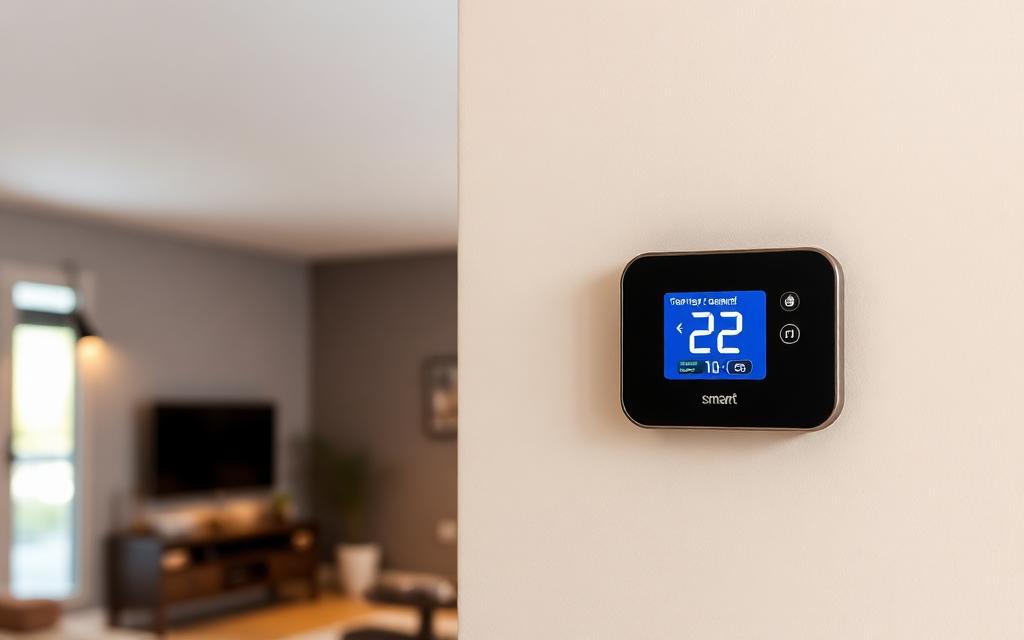
Turn the boiler flow temperature down where suitable, heat only the rooms you use, switch off standby devices at the wall, wash at lower temperatures and swap remaining bulbs for LEDs. Most cost little or nothing; check your smart meter display to see which changes make a difference.
Home energy saving isn't just about reducing bills; it's also about making an environmentally friendly choice. Many people overlook simple steps that can significantly cut down heat loss and energy waste. The average UK household spends over £2,000 annually on energy – but with the right approach, you can reduce this while improving comfort.
The good news: Draught-proofing alone can help reduce energy bills. Professional help is an option, but do-it-yourself methods can be much more cost-effective, though savings depend on your home, tariff and usage. This guide presents 10 proven strategies, ranked by impact and ease of implementation.
Draught-Proof Your Home
Cost: Varies – check current prices| Annual Savings: Varies
Start by checking windows, doors, letterboxes, and any gaps in floors or skirting boards. Cold air entering and warm air escaping forces your heating system to work harder and longer than necessary.
Key areas to address:
• Window frames and sills
• Door edges and thresholds
• Letterboxes (add a brush or flap)
• Gaps around pipes and cables
• Loft hatches
• Floorboards in older properties
Use draught excluders, weatherstripping, or sealant to block these gaps. This is one of the cheapest improvements with the fastest payback – often less than one winter season.
Upgrade to LED Lighting
Cost: Varies – check current prices per bulb | Annual Savings: Varies
LED bulbs use 75% less energy than incandescent and 50% less than CFL alternatives, while lasting 25 times longer. Savings depend on your home, tariff and usage.
| Bulb Type | Energy Use | Lifespan | Cost/Year (10 bulbs, 4hrs/day) |
|---|---|---|---|
| Incandescent | 60W | 1,000 hrs | Check current price |
| CFL | 13W | 8,000 hrs | Check current price |
| LED | 9W | 25,000 hrs | Check current price |
Implementation strategy: Replace your most-used bulbs first for immediate impact. Living room and kitchen lights typically run longest and offer the fastest payback.
Install a Smart Thermostat
Cost: Varies – check current prices | Annual Savings: savings depend on your home, tariff and usage
A smart thermostat learns your schedule and adjusts heating automatically. Savings depend on your home, tariff and usage. Since heating accounts for over 50% of UK energy bills, this single upgrade can transform your annual costs.
Top options for UK homes:
• Nest Learning Thermostat – Best for set-and-forget automation
• Ecobee Premium – Best for homes with temperature variations
• Hive Active Heating – Best for UK support and easy installation
• Tado – Best for households with irregular schedules
Get Your Free UK Home Energy Audit Checklist
Cut your energy bills with our UK home energy audit checklist, plus our best gadget deals — free.
Use Power Strips for Electronics
Cost: Varies – check current prices | Annual Savings: Varies – savings depend on your home, tariff and usage
Plug entertainment centres and home offices into smart power strips. One switch cuts phantom power to multiple devices at once. Many devices draw power even when switched off – this eliminates that hidden waste.
Biggest phantom power culprits:
| Device | Standby Power | Annual Cost |
|---|---|---|
| Game console | 15-25W | Check current price |
| Set-top box | 15-30W | Check current price |
| Desktop PC | 5-15W | Check current price |
| TV (older models) | 5-10W | Check current price |
Smart power strips automatically cut power to peripherals when the main device (TV) is switched off, making this completely automatic.
Wash Clothes in Cold Water
Cost: Free | Annual Savings: Savings depend on your home, tariff and usage
Modern detergents work brilliantly in cold water. About 90% of the energy used by washing machines goes to heating water. Switching to 30°C or cold washes saves energy and extends the life of your clothes.
Additional laundry tips:
• Wait for full loads rather than running half-empty machines
• Use high spin speeds to reduce drying time
• Air dry when possible instead of using a tumble dryer
Maintain Your HVAC System
Cost: Varies – check current prices| Annual Savings: Varies
Change filters regularly (every 1-3 months) and have your system serviced annually. A clean, efficient system uses less energy to heat your home. Dirty filters force the system to work harder, wasting energy and accelerating wear.
Annual maintenance checklist:
• Replace or clean filters
• Check thermostat calibration
• Bleed radiators to remove air pockets
• Service boiler professionally
Use Ceiling Fans Wisely
Cost: Free (if already installed) | Annual Savings: Varies (savings depend on your home, tariff and usage)
Fans use far less energy than air conditioning or heating. The key is direction: in summer, set to counter-clockwise for a cooling breeze. In winter, clockwise at low speed pushes warm air down from the ceiling where it collects.
This simple switch can reduce heating costs by allowing lower thermostat settings while maintaining perceived comfort.
Embrace Natural Light
Cost: Free | Annual Savings: savings depend on your home, tariff and usage
Open curtains and blinds during the day. Position desks and reading areas near windows to reduce artificial lighting needs. This simple habit can significantly reduce daytime electricity use.
Additional benefits:
• Natural light improves mood and productivity
• Reduces need for task lighting
• In winter, south-facing windows provide free solar heat
Upgrade Appliances Gradually
Cost: Varies | Annual Savings: savings depend on your home, tariff and usage
When appliances need replacing, choose A-rated models. A new efficient fridge can offer savings compared to a 10-year-old model, though these depend on your home, tariff and usage. Prioritise replacing the oldest, most-used appliances first.
Priority upgrade order:
1. Refrigerators and freezers (run 24/7, high impact)
2. Tumble dryers (switch to heat pump models)
3. Washing machines (modern sensors reduce water and energy)
4. Dishwashers (eco programs save significantly)
Monitor Your Usage
Cost: Varies – check current prices | Annual Savings: Varies based on changes made
You can't manage what you don't measure. An energy monitor helps identify waste and track the impact of your changes. Smart plugs with energy monitoring can reveal which devices are the biggest energy consumers.
Monitoring options:
• Smart meter in-home display (free from your supplier)
• Smart plugs with power monitoring (check current price)
• Whole-home energy monitor (check current price)
Total Potential Savings
Potential savings vary widely by home and tariff; the areas below are where most households find them:
| Tip | Investment | Annual Savings |
|---|---|---|
| Draught-proofing | Check current price | £80 |
| LED lighting | Check current price | £100+ |
| Smart thermostat | Check current price | £150-200 |
| Power strips | Check current price | £50-100 |
| Cold water washing | Free | £30-50 |
| HVAC maintenance | Check current price | £50-100 |
| Ceiling fans | Free | £30-60 |
| Natural light | Free | £20-40 |
| Efficient appliances | Variable | £50-150 |
| Energy monitoring | Check current price | Variable |
Start Today
You don't need to implement all 10 tips at once. Start with the free or low-cost options (draught-proofing, cold water washing, natural light) and add more as your budget allows. Every improvement helps – both your wallet and the environment.
Frequently Asked Questions
Keep reading
Best Smart Light Bulbs UK: 4 Top Picks [2026]
Running costs in pence per year, brightness compared and the UK picks worth buying.
Read the guideBest Smart Thermostats UK [2026]
The biggest single saving in most UK homes — compared on real running costs.
Read the guideBest Home Energy Monitors UK [2026]
See which circuits actually cost you money before you buy anything.
Read the guide