Solar Gadgets for UK Homes: What Works in British Weather
How this guide was made: this is a research-based roundup, not a hands-on lab review. Picks are based on manufacturer specifications, verified UK owner reviews, independent published test results, price history and what UK buyers are actually choosing. More on the method.
Can solar gadgets reduce my reliance on mains power?
Only for small loads. Solar gadgets suit lighting, phone charging and remote cameras, but UK winter output is low, so they cannot replace mains power for the household. For larger savings, look at rooftop solar or the newly permitted plug-in solar kits instead.
Solar technology has never been more accessible. From tiny garden lights to complete home power systems, solar gadgets let everyone tap into renewable energy without major investment or complex installations. The democratisation of solar power means that every household can reduce their energy bills and carbon footprint, starting today.
In this comprehensive guide, we explore how solar gadgets work, which products offer the best value, and how to build your own solar-powered ecosystem. Whether you're looking for your first solar purchase or planning a complete off-grid setup, this guide provides the foundation you need.
The Solar Revolution
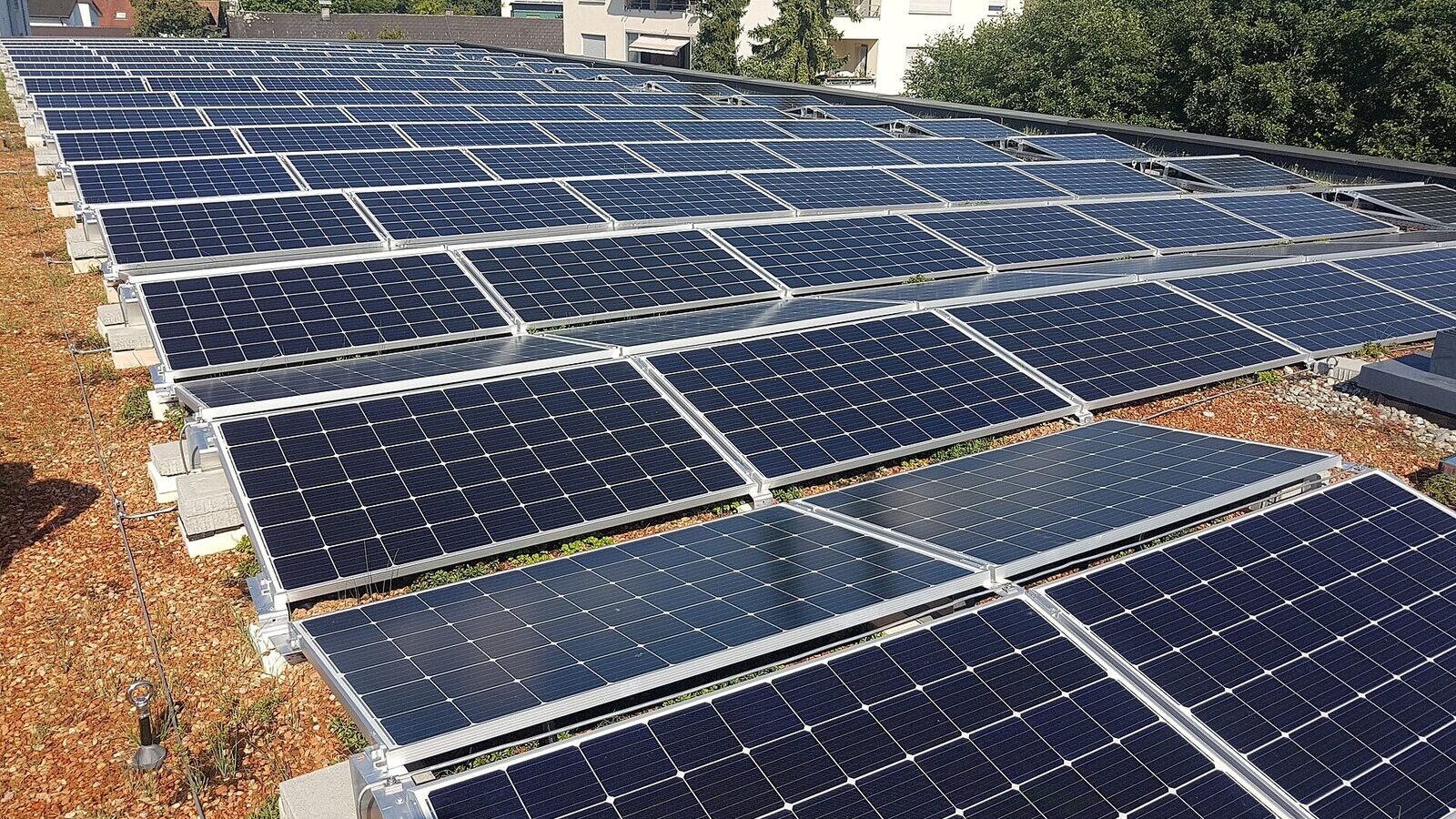
Solar panel efficiency has doubled in the last decade while costs have plummeted by over 80%. This means solar-powered gadgets are now practical, affordable, and reliable for everyday use – even in the UK's famously variable climate.
Key advancements driving adoption:
| Advancement | Impact | Benefit for Users |
|---|---|---|
| Panel efficiency | 23%+ conversion | Smaller panels, more power |
| Battery technology | Lithium ion standard | Longer life, faster charging |
| Manufacturing costs | 80%+ reduction | Affordable for everyone |
| Compact designs | Integrated panels | Sleek, practical products |
The result? Solar gadgets that genuinely work, look good, and cost nothing to run once bought.
How Solar Gadgets Work
Solar cells convert sunlight directly into electricity through the photovoltaic effect. When photons from sunlight hit the solar cell, they knock electrons loose from atoms in the semiconductor material, creating an electrical current.
This electricity follows one of three paths:
Direct power: Devices that only work when the sun is shining – like solar calculators, ventilation fans, and water fountain pumps. Simple and reliable, but limited to daytime operation when sunlight is available.
Battery-integrated: Most solar gadgets include batteries, charging during the day and powering devices at night or during cloudy weather. This is the most versatile category and includes garden lights, security cameras, and power banks.
Grid-connected: Larger systems that connect to your home's electrical system. Excess power goes back to the grid, often earning credits on your electricity bill through schemes like the Smart Export Guarantee (SEG).
Types of Solar Gadgets
Direct Solar Devices
These operate only when sufficient sunlight is available:
• Solar calculators (the original solar gadget)
• Solar-powered fountains for ponds and birdbaths
• Greenhouse ventilation fans
• Solar attic fans for home cooling
Best for: Applications where daytime-only operation is acceptable or desirable.
Battery-Integrated Devices
These store energy for use anytime:
• Garden path and security lights
• Wireless security cameras
• Portable power banks and chargers
• Outdoor speakers and decorative lights
• Shed and garage lighting
Best for: Most residential applications requiring reliable operation regardless of immediate sunlight.
Grid-Connected Systems
These power your home and export excess:
• Rooftop solar panel installations
• Solar roof tiles (like Tesla Solar Roof)
• Complete home solar systems with battery storage
Best for: Homeowners seeking significant energy bill reduction and potential income from exports.
Get Your Free UK Home Energy Audit Checklist
Cut your energy bills with our UK home energy audit checklist, plus our best gadget deals — free.
Benefits of Solar Power
Financial Benefits
• Zero running costs – After the initial purchase, the sun provides completely free power
• Reduced electricity bills – Every watt from solar is a watt you don't pay for
• Low maintenance – No moving parts means minimal upkeep costs
• Government incentives – Smart Export Guarantee pays for exported electricity
Environmental Benefits
• Clean energy – No emissions, no pollution during operation
• Reduced carbon footprint – Every solar gadget displaces fossil fuel energy
• Sustainable – The sun provides unlimited, renewable energy for billions of years
• Quiet operation – Unlike generators, solar systems produce no noise
Practical Benefits
• Installation freedom – Work anywhere the sun shines, no power outlets needed
• Emergency preparedness – Keep essential devices charged during power outages
• Off-grid capability – Perfect for sheds, caravans, allotments, and remote locations
• Reduced clutter – No cables to trip over or hide
Limitations to Consider
While solar gadgets are fantastic, understanding their limitations helps set realistic expectations:
| Limitation | Impact | Mitigation |
|---|---|---|
| Sunlight dependent | Reduced winter performance | Buy products with larger batteries |
| Higher initial cost | More expensive than mains alternatives | Consider long-term savings |
| Battery replacement | Every 2-3 years | Inexpensive — check current prices |
| Positioning matters | Shade reduces output significantly | Survey your space before buying |
Popular Solar Categories
Outdoor Lighting (Most Popular)
The entry point for most people. Solar path lights, deck lights, and security lights are affordable, easy to install, and truly maintenance-free. Quality products now rival mains-powered alternatives for brightness and reliability.
Price range: Check current price | Annual savings: Varies
Charging Devices
Solar power banks and chargers keep your devices powered during outdoor adventures, camping trips, or emergencies. Modern solar chargers can fully charge a smartphone in 2-3 hours of direct sunlight.
Price range: Check current price | Use case: Camping, emergencies, outdoor activities
Security Equipment
Solar-powered cameras and motion sensors provide comprehensive security without wiring. Install anywhere with sun exposure – no electrician required, no ongoing electricity costs.
Price range: Check current price | Annual savings: Varies (savings depend on your home, tariff and usage)
Garden Features
Fountains, bug zappers, and decorative lights add ambiance to outdoor spaces without electricity bills. Solar fountains are particularly popular for birdbaths and small ponds.
Price range: Check current price | Use case: Decorative, wildlife attraction
Solar in the UK Climate
Contrary to popular belief, solar technology works well in the UK. While we receive less intense sunlight than Mediterranean countries, our long summer days and adequate year-round light levels support most solar gadgets effectively.
Seasonal expectations:
| Season | Performance | Notes |
|---|---|---|
| Summer | Excellent | Long days, strong output |
| Spring/Autumn | Good | Adequate for most gadgets |
| Winter | Reduced | Shorter days, lower angle sun |
Tips for UK solar success:
• Position panels facing south for maximum exposure
• Choose products with larger batteries for winter resilience
• Clean panels monthly to remove dust and debris
• Consider bringing decorative solar lights indoors during December-January
Getting Started
Begin with simple, affordable solar gadgets to experience the benefits firsthand:
Phase 1: Trial (check current price)
• Buy a set of solar garden lights or a solar phone charger
• Experience solar reliability over a few months
• Learn positioning and maintenance basics
Phase 2: Expansion (check current price)
• Add solar security lighting
• Consider a solar power bank for emergencies
• Explore solar garden features
Phase 3: Larger investments
• Research portable solar panels and power stations
• Consider solar security cameras
• Plan for potential rooftop solar
As you become comfortable with solar technology, explore larger investments like home solar panel installations. Every solar gadget is a step toward a cleaner, more sustainable future – and lower energy bills.
Frequently Asked Questions
Keep reading
Solar & Outdoor Power UK [2026]
Panels, batteries and portable power stations with real UK payback maths.
Read the guideBest Smart Light Bulbs UK: 4 Top Picks [2026]
Running costs in pence per year, brightness compared and the UK picks worth buying.
Read the guideBest Home Energy Monitors UK [2026]
See which circuits actually cost you money before you buy anything.
Read the guide