Energy Saving Hub
Smart Lighting: Save Energy & Money in Every Room (2026)
Lighting is the easiest part of a UK home to automate and the cheapest place to start, but the savings come from schedules and sensors rather than the bulbs themselves. This hub compares every system worth buying in 2026 and shows what each one actually knocks off your bill.
Why smart lighting saves money
Three things do the work. First, every smart bulb is an LED, so a fitting that drew 50W as a halogen now draws 8-9W for the same brightness — that alone is most of the saving in an older home. Second, scheduling means the landing light no longer burns from 4pm until midnight; it comes on at dusk and goes off when the last person goes to bed, automatically.
Third, motion sensors handle the rooms nobody remembers: the loft, the garage, the utility room, the hallway the kids walk through with an armful of washing. Lights run only while somebody is actually there.
The honest counterweight is standby power. A smart bulb keeps its radio listening even when it looks off, drawing around 0.3W — a few pounds a year across a whole house. It's real, it's small, and scheduling plus sensors repay it several times over.
How much can you save?
A typical UK household spends £60-£100 a year on lighting. Figures below assume a three-bedroom home, around 25p per kWh under the Ofgem price cap, and a mix of scheduling and motion sensors.
| Cost area | Before | With smart lighting | Difference |
|---|---|---|---|
| Annual home lighting bill | £90 | £52 | −£38 |
| Halogen vs LED (10 fittings) | £78/yr | £11/yr | −£67 |
| Lights left on in empty rooms | £18/yr | £3/yr | −£15 |
| Smart bulb standby draw | £0 | £6/yr | +£6 |
Estimates only. Savings depend on how many fittings are still halogen, how long lights currently run, and your tariff.
The 3 types of smart lighting
Most homes mix all three: bulbs where you want colour, switches where there are lots of lamps, sensors where nobody remembers to flick anything.
Smart Bulbs
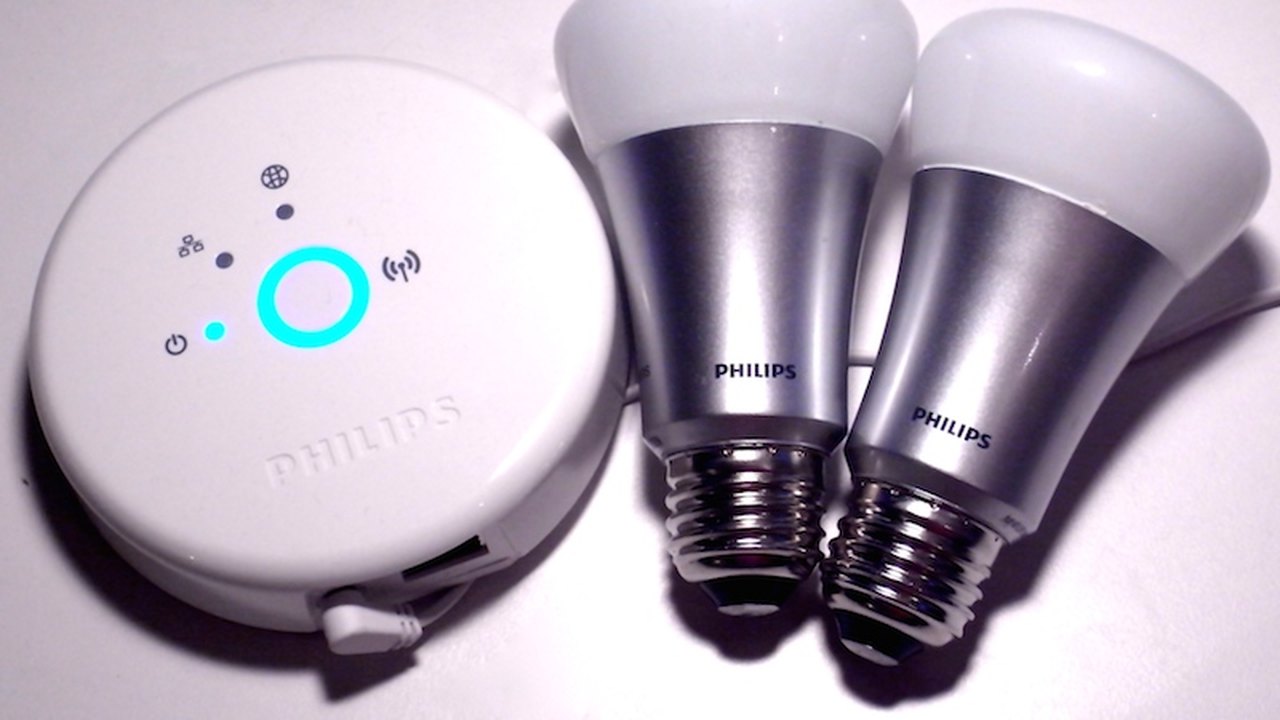
Philips Hue, LIFX and Govee screw into fittings you already have. Colour, dimming, schedules and scenes with zero wiring — the easiest place to start.
Read the smart lighting guideSmart Switches & Dimmers
One switch controls every bulb on the circuit, so multi-lamp ceilings work out cheaper. Check for a neutral wire at the back box before you buy.
See switch guidanceMotion Sensor Lights
The quiet money-saver. Hallways, lofts, garages and utility rooms light up only when someone walks in, and switch off a minute later without anyone thinking about it.
See sensor setupsOur top picks
Four smart lighting systems that work well in UK homes, compared on price, best use case and power draw per fitting.
Philips Hue Starter Kit
4.7Philips · Best for Reliability, scenes and whole-home ecosystems
£129 · ~9W per bulb
TP-Link Tapo Smart Bulbs
4.5TP-Link · Best for Best value, no hub required
£10-£15 per bulb · ~8W per bulb
LIFX Colour A60
4.4LIFX · Best for Brightest output and richest colour
£45 · ~11W per bulb
Govee Smart Light Strip
4.3Govee · Best for Accent, under-cabinet and TV backlighting
£25 · ~12W per 5m
You might also like
Best Smart Light Bulbs UK [2026]
Four UK picks compared on price, brightness and running cost in pence per year.
Power Management Guide
Smart plugs, standby drain and where the phantom watts hide.
Home Energy Monitoring Guide
Measure first: see exactly which circuits cost you money.
Smart Heating Controls Hub
The bigger prize — two thirds of your bill is heating.