Smart Lighting for Energy Savings in 2026
How this guide was made: this is a research-based roundup, not a hands-on lab review. Picks are based on manufacturer specifications, verified UK owner reviews, independent published test results, price history and what UK buyers are actually choosing. More on the method.
Can smart lighting cut my electricity bill?
Only modestly for most UK homes. LED bulbs deliver most of the saving; the smart part adds a little more through schedules, dimming and motion triggers that stop lights burning in empty rooms. Standby draw from each smart bulb slightly offsets this, so fewer, well-placed bulbs make the most sense.
Smart lighting has revolutionized the way we illuminate our homes. Gone are the days of simple on/off switches – today's intelligent lighting systems offer unprecedented control, energy efficiency, and convenience. In this comprehensive guide, we explore everything you need to know about smart lighting in 2026, from choosing the right products to maximizing your energy savings.
The UK lighting market has transformed dramatically over the past decade. With energy prices at historic highs, British households are increasingly turning to smart lighting solutions to reduce their electricity bills while enjoying superior lighting quality and convenience.
Why Smart Lighting Saves Energy

Traditional incandescent bulbs waste up to 90% of their energy as heat. LED smart bulbs, on the other hand, convert almost all their energy into light. When you combine this efficiency with smart controls, the savings multiply significantly.
Automatic scheduling ensures lights are only on when needed. Set your lights to dim gradually as the sun rises and turn off completely when you leave for work. This eliminates the common problem of lights being left on in empty rooms.
Motion sensors activate lights only when someone is present. Perfect for hallways, bathrooms, and garages where lights are often left on accidentally. Studies show motion-activated lighting can reduce usage by 30-50% in these areas.
Daylight harvesting adjusts artificial light based on natural light levels, reducing energy use during sunny days. Smart bulbs can automatically dim when sunlight is abundant and brighten as evening approaches.
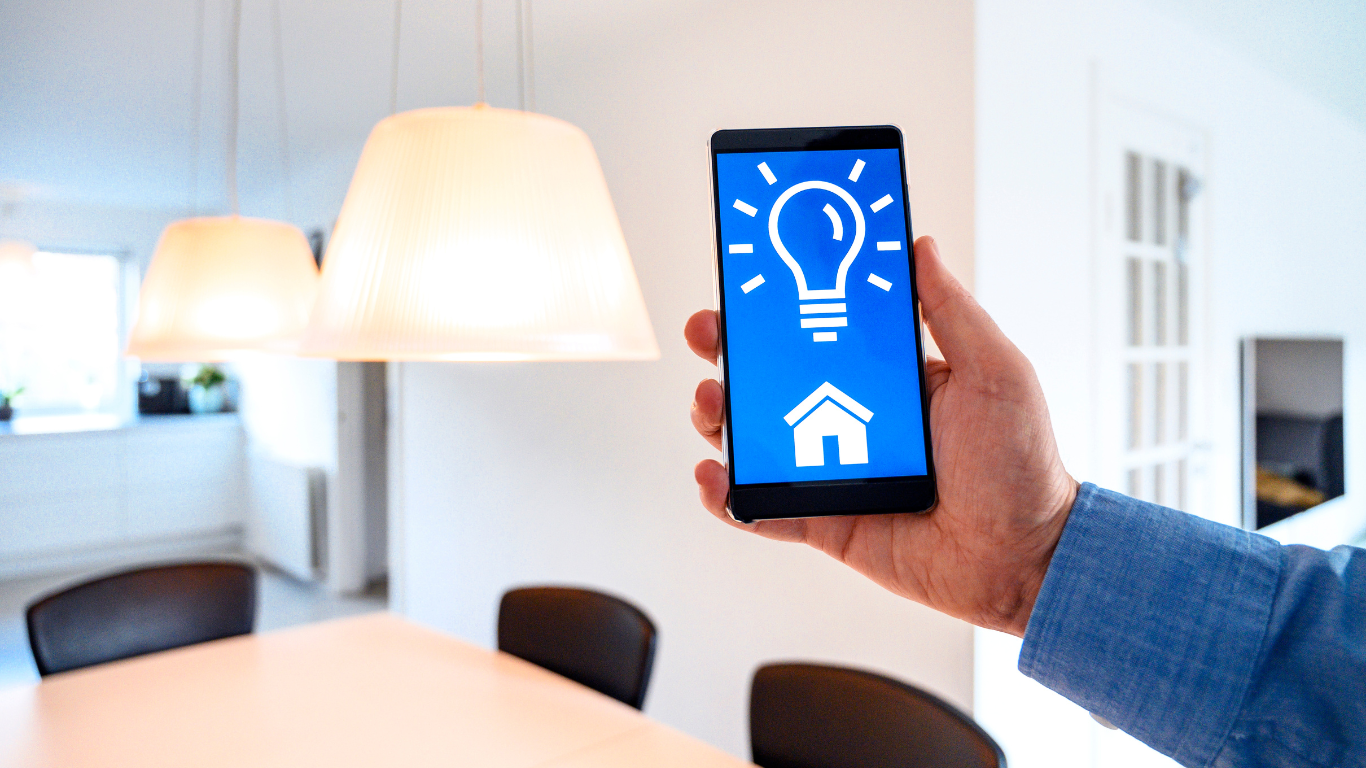
Geofencing technology uses your smartphone's location to automatically control lights. Leave for work and your lights turn off. Arrive home and they welcome you with the perfect ambiance.
Top Smart Lighting Systems for 2026
Philips Hue
The market leader in smart lighting, Philips Hue offers the widest ecosystem of bulbs, fixtures, and accessories. Their latest E26 bulbs use just 9W to produce 800 lumens – equivalent to a 60W incandescent bulb. The Hue ecosystem includes over 300 compatible products, from bulbs and light strips to outdoor fixtures and ceiling lights.
| Feature | Philips Hue | LIFX | IKEA TRÅDFRI |
|---|---|---|---|
| Hub Required | Yes | No | Yes |
| Max Brightness | 800-1600 lm | 1100 lm | 806 lm |
| Colour Options | 16M colours | 16M colours | White only |
| Price per Bulb | Check current price | Check current price | Check current price |
| Ecosystem Size | 300+ products | 50+ products | 100+ products |
LIFX
LIFX bulbs don't require a hub, connecting directly to your Wi-Fi network. They offer vibrant colors and high brightness (up to 1100 lumens), making them ideal for those who want simplicity without sacrificing features. Their WiFi-direct approach means one less device to manage.
Govee Smart Bulbs
Price: Check current price | Rating: 4/5
Govee undercuts almost everyone on colour bulbs while keeping app control and voice assistant support. Ideal for kids' rooms, lamps and accent lighting where you want colour without Hue money.
Best for: Colourful accent lighting on a budget.
IKEA TRÅDFRI
For budget-conscious buyers, IKEA's TRÅDFRI system offers excellent value. While lacking colour options, the white bulbs are bright, reliable, and work with most smart home platforms. At under £15 per bulb, they're accessible for every budget.
Nanoleaf
For decorative smart lighting, Nanoleaf's modular panels create stunning visual displays while using minimal energy. Their Shapes and Lines products double as art and lighting, perfect for gaming rooms or creative spaces.
Installation and Setup Guide
Setting up smart lighting is straightforward for most households. Here's a step-by-step approach:
1. Choose your ecosystem – Decide on Alexa, Google Home, or Apple HomeKit as your primary platform
2. Start with high-traffic areas – Install smart bulbs in rooms where you spend the most time
3. Download the manufacturer's app – Set up your hub (if required) and pair your bulbs
4. Create rooms and zones – Group lights logically for easy control
5. Set up basic automations – Start with simple schedules and motion triggers
Get Your Free UK Home Energy Audit Checklist
Cut your energy bills with our UK home energy audit checklist, plus our best gadget deals — free.
Smart Lighting Automation Tips

The real power of smart lighting comes from automation. Here are proven strategies that save energy:
Morning routines: Program lights to gradually brighten before your alarm, simulating a natural sunrise. This gentle wake-up uses less energy than full-brightness lighting and improves your morning routine.
Away modes: When you leave home, create scenes that turn off all indoor lights while maintaining minimal security lighting. Random lighting patterns can deter burglars while you're on holiday.
Movie and entertainment modes: Create scenes that dim lights to optimal viewing levels, reducing energy use while enhancing your entertainment experience.
Cost Comparison and ROI
Understanding the true cost of smart lighting helps justify the investment:
| Bulb Type | Wattage | Cost/Year (4hrs/day) | Lifespan |
|---|---|---|---|
| Incandescent 60W | 60W | Check current price | 1,000 hours |
| CFL | 13W | Check current price | 8,000 hours |
| Standard LED | 9W | Check current price | 25,000 hours |
| Smart LED | 9W | Check current price | 25,000 hours |
While smart bulbs cost more upfront (£15-50 vs £2-5 for standard LEDs), the automation features typically save an additional 20-30% through reduced usage. A home with 20 smart bulbs can expect payback within 2-3 years.
Tips for Maximum Savings
1. Replace high-use bulbs first – Start with lights that are on for 4+ hours daily for fastest ROI
2. Use scenes and schedules – Automate your lighting to match your routine and eliminate waste
3. Dim when possible – Even a 25% dim reduces energy use and extends bulb life
4. Group lights by room – Control entire rooms at once for convenience and efficiency
5. Enable vacation mode – Random lighting patterns deter burglars while you're away
6. Use motion sensors strategically – Install in bathrooms, hallways, and garages
7. Leverage natural light – Use daylight sensors to reduce artificial lighting during bright periods
The Bottom Line
Investing in smart lighting pays for itself through energy savings. Most households see a return on investment within 2-3 years, after which you're essentially getting free light compared to traditional bulbs. The convenience, ambiance control, and home security benefits make smart lighting one of the best upgrades for any modern home.
Ready to make the switch? Start with a starter kit from Philips Hue or IKEA TRÅDFRI, and experience the benefits firsthand. Your electricity bill – and the environment – will thank you.
Frequently Asked Questions
Keep reading
Best Smart Light Bulbs UK: 4 Top Picks [2026]
Running costs in pence per year, brightness compared and the UK picks worth buying.
Read the guideSmart Lighting Controls Guide
Schedules, sensors and switches that cut the lighting bill further.
Read the guideSmart Lighting Compatibility UK [2026]
Fittings, hubs, dimming and voice platforms — make sure it works first.
Read the guide