TP-Link Tapo vs Meross vs Eve: Smart Plug Showdown [2026]
How this guide was made: this is a research-based roundup, not a hands-on lab review. Picks are based on manufacturer specifications, verified UK owner reviews, independent published test results, price history and what UK buyers are actually choosing. More on the method.
![Illustrative photo for the guide “TP-Link Tapo vs Meross vs Eve: Smart Plug Showdown [2026]”](/__l5e/assets-v1/83c24fc1-8954-4ca1-8f67-beba93b4b5af/comparison-cover.jpg)
Tapo, Meross or Eve — which smart plug should I choose?
Tapo suits budget buyers wanting energy monitoring, Meross suits mixed Alexa, Google and Apple homes, and Eve suits Apple users wanting local control and privacy through Matter or Thread. Check the specific UK model’s features rather than assuming each brand’s range is identical.
Tapo, Meross and Eve turn up in almost every UK smart plug shortlist, and they are chosen for genuinely different reasons. Tapo is TP-Link's mainstream consumer range with wide retail availability. Meross competes on breadth and value with strong multi-platform support. Eve is the premium option built around Apple Home and Thread, with local control as a design principle rather than an afterthought.
This comparison is based on published manufacturer specifications, platform compatibility documentation and the Connectivity Standards Alliance's Matter materials. It is a research-led comparison of what each range offers rather than an account of hands-on testing, and specifications change with new model revisions — always confirm details on the manufacturer's own product page for the exact model you are buying.
How These Three Brands Differ
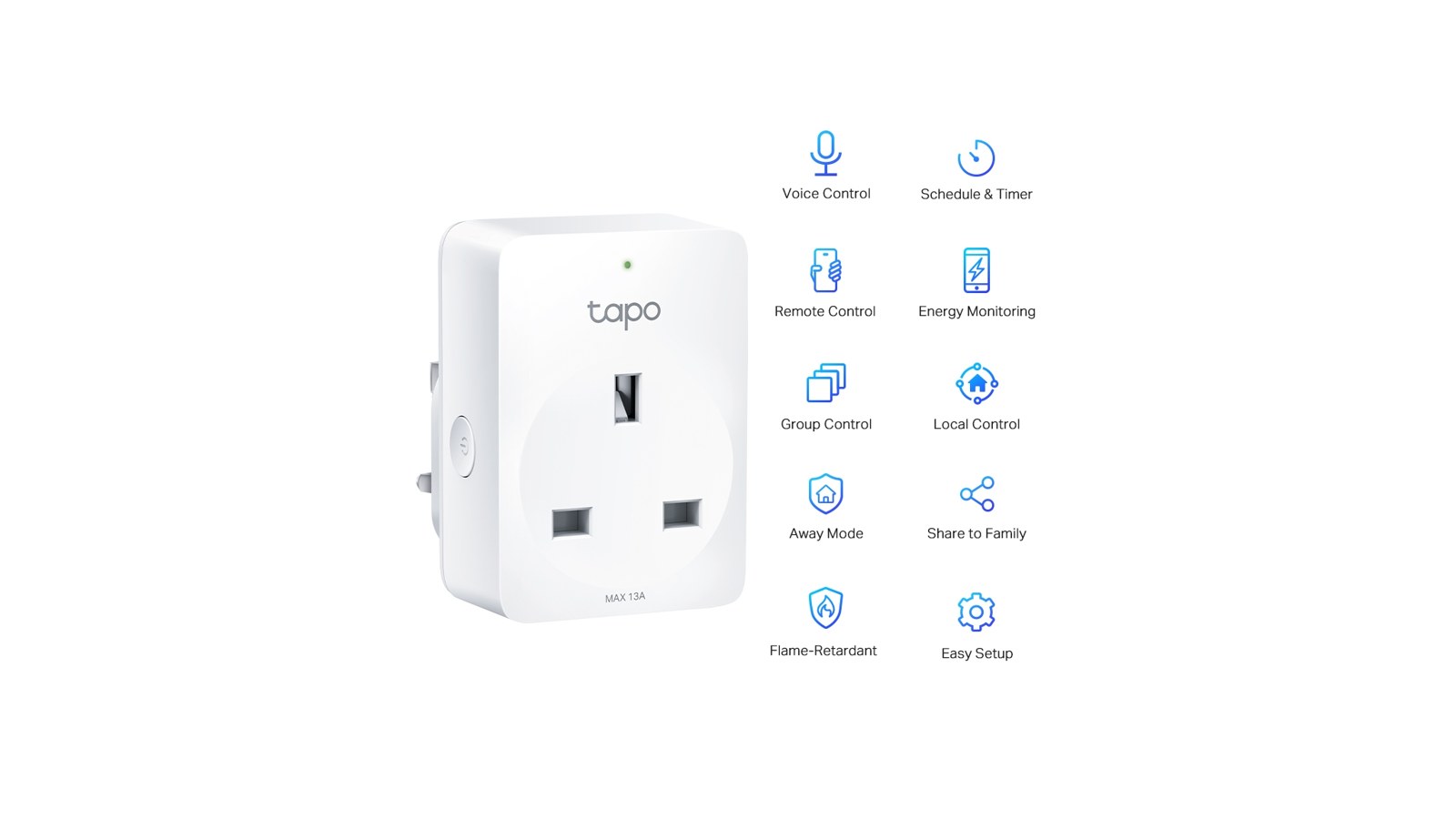
TP-Link's Tapo range sits at the volume end of the market: widely stocked in UK retailers, with a large family of plugs, bulbs, cameras and sensors that share one app. The appeal is availability and coherence — one account, one app, plenty of device types.
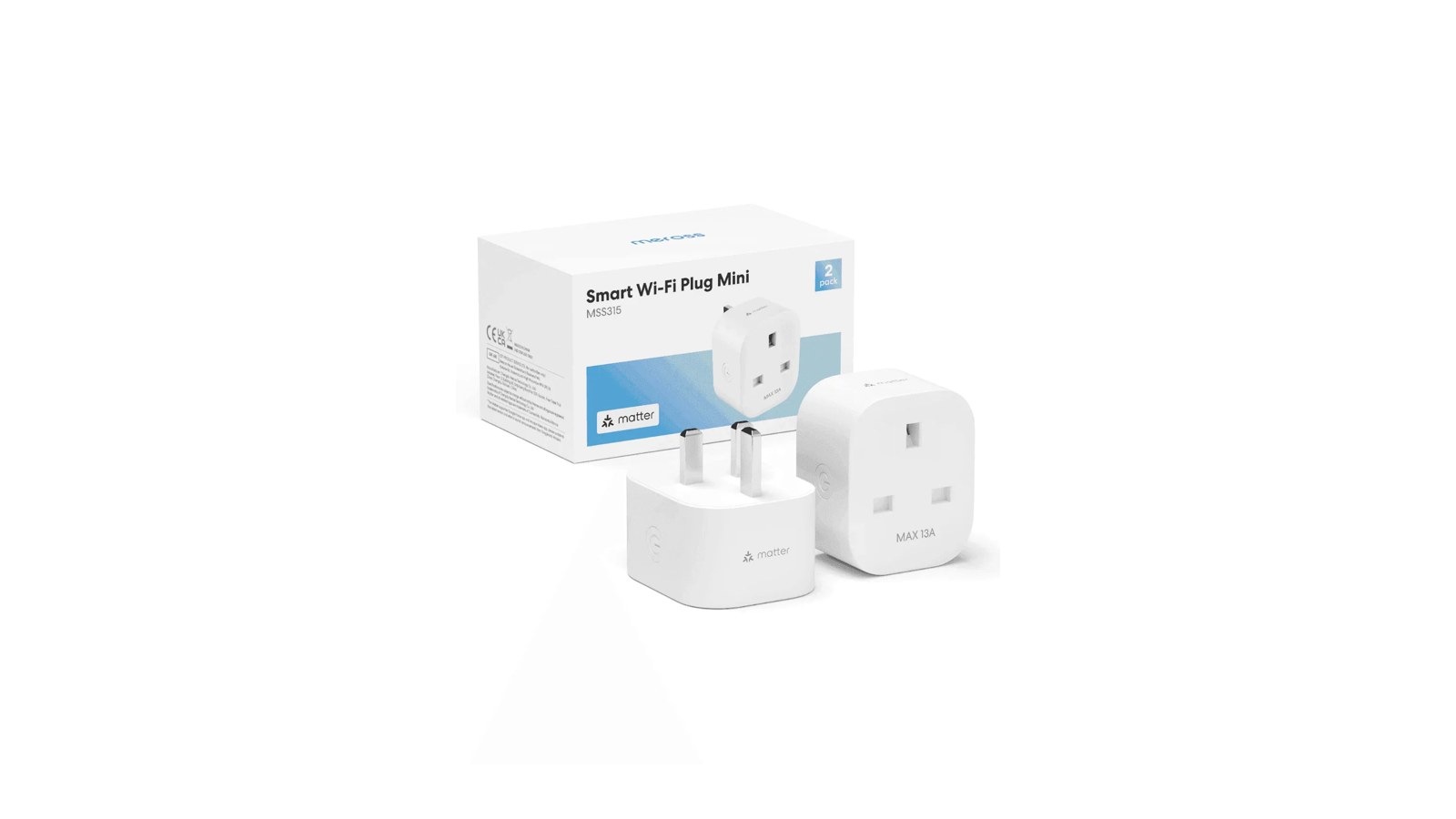
Meross positions similarly but leans harder on cross-platform compatibility, and its range frequently lists support for Apple Home, Google Home, Alexa and SmartThings across the same product. For households that have not settled on a single assistant, that flexibility is the draw.
Eve is the outlier. Its products are built around Apple's ecosystem and Thread rather than Wi-Fi, they generally avoid requiring a manufacturer cloud account, and they cost more. For an Apple household that values local control and privacy, that trade is often worth it; for an Android household it usually is not.
Platform Support: The Deciding Factor
Platform support decides more purchases than any other specification, and it is where buyers most often get caught out — because compatibility varies between models within a range, not just between brands. A retailer listing that says a brand 'works with Alexa' tells you nothing reliable about the specific SKU in your basket.
The practical check is to open the manufacturer's own product page for the exact model number and read the 'works with' section there. Look for three things: which voice assistants are named, whether the model is Matter-certified, and whether it uses Wi-Fi or Thread. A Matter-certified plug can be added to several ecosystems simultaneously, which is genuinely useful in a mixed household where one person uses an iPhone and another an Android handset.
Thread devices, including much of the Eve range, need a Thread border router in the home — commonly a recent Apple TV, HomePod, or an equivalent hub from Google, Amazon or Samsung. Without one, a Thread plug has nothing to join. Our Matter explainer covers how that fits together if the terminology is new.
Energy Monitoring Compared
All three brands offer models with energy monitoring, and none of them offer it on every model — the metering version is usually a separate, slightly dearer product. If monitoring is the reason you are buying, check the model number carefully, because the non-metering version often looks identical in photographs.
What monitoring gives you is a running figure for the connected appliance's consumption, usually with daily and monthly history in the app. That is genuinely useful for identifying which of your always-on devices is quietly expensive, and for comparing consumption before and after you change a habit or replace an appliance. It is much less useful as a precise cost calculation, because consumer plug metering is an indication rather than a certified measurement and the tariff figure you type into the app is only as current as your last bill.
Eve's approach fits its wider philosophy: data stored and processed locally within Apple Home rather than in a manufacturer cloud. Tapo and Meross generally present richer graphs in their own apps, at the cost of that data living in the manufacturer's service.
Get Your Free UK Home Energy Audit Checklist
Cut your energy bills with our UK home energy audit checklist, plus our best gadget deals — free.
Local Control, Cloud and Privacy
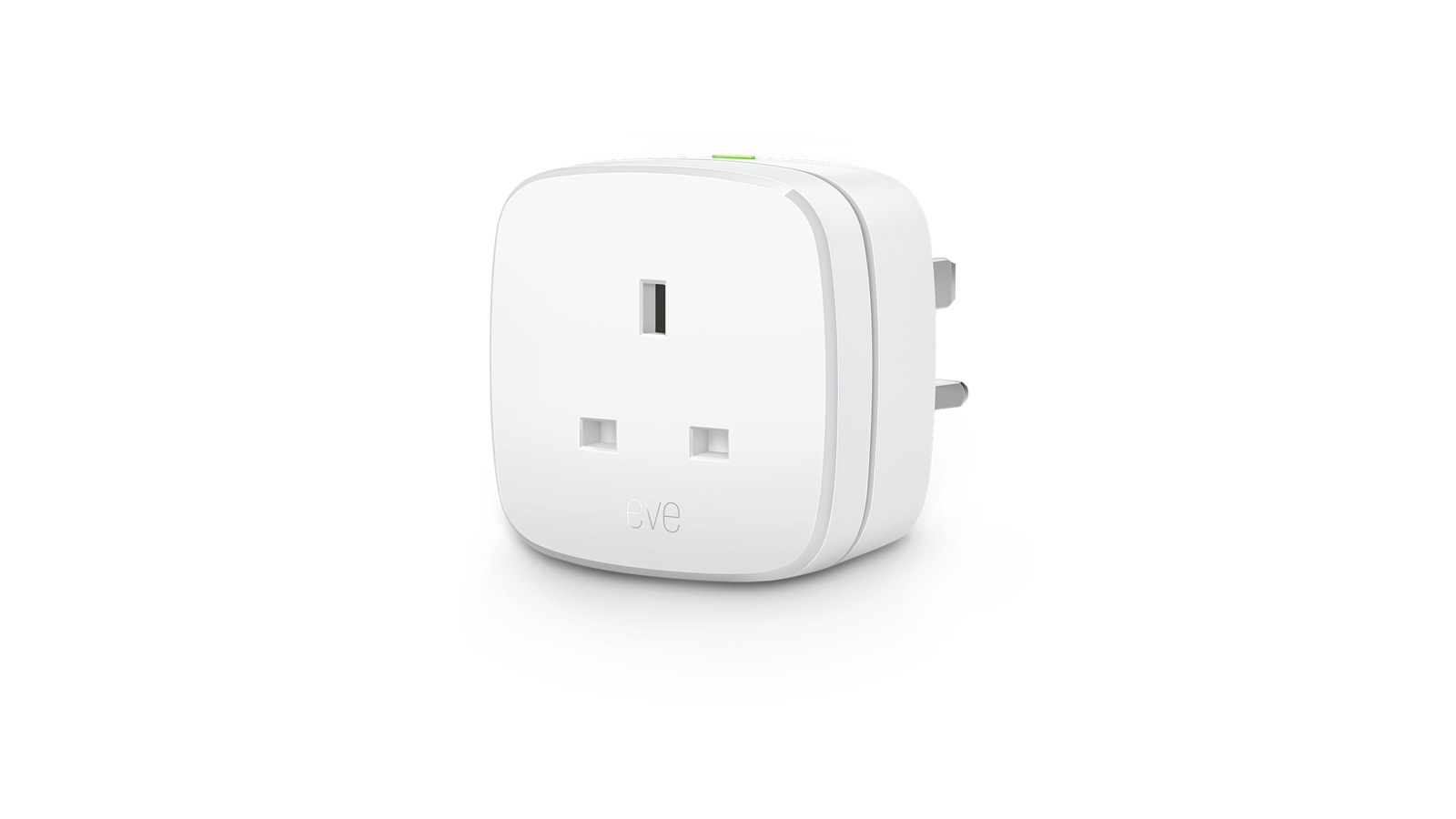
This is the clearest philosophical split of the three. Eve's Thread and HomeKit design means the plug talks to your home hub directly, and most functions continue to work when the internet does not. There is no separate Eve account to create, which some buyers value on privacy grounds alone.
Tapo and Meross are primarily Wi-Fi and cloud-connected. Setup, remote access and voice assistant integration route through the manufacturer's service, and while some models retain local control and stored schedules during an outage, the behaviour varies by model and firmware and is rarely stated prominently. If uninterrupted operation during a broadband outage matters to you, treat it as a specification to verify rather than assume.
There is a practical middle path: adding any Matter-certified plug to a local hub gives you a good deal of local control regardless of brand, because the hub becomes the controller rather than the manufacturer's cloud.
Load Ratings and Safety
A UK socket can supply up to 13A, and plenty of smart plugs are rated below that. The rating printed on the plug and in its manual is the number that matters, and exceeding it is a fire risk rather than a performance question.
In practice this rules out most high-draw appliances: fan heaters, kettles, irons, tumble dryers and many portable air conditioners. Several manufacturers state these prohibitions explicitly in the manual, and doing it anyway will invalidate any claim. Lamps, televisions, chargers, routers, desktop computers, aquarium pumps and Christmas lights are the natural fit.
Also check whether the plug carries UKCA or CE marking and a named UK importer, and buy from a retailer you can hold responsible. Unbranded plugs from marketplace sellers are the category where UK trading standards notices most often appear.
Physical Size and Socket Blocking
UK double sockets are unforgiving. A chunky smart plug in the top outlet frequently blocks the bottom one, and behind furniture the depth can stop a plug seating properly at all.
All three brands offer compact or 'mini' variants, and those are usually worth the small premium if the socket is in a tight spot. Check the published dimensions against the space you have rather than judging from a product photograph, and remember that a plug with a physical button needs to be reachable to be useful.
Which One Suits You
Choose Tapo if: you want easy UK availability, a broad range of matching devices in one app, and you are happy with an Android or Alexa-centred setup.
Choose Meross if: your household mixes ecosystems and you want the widest platform compatibility per pound, particularly across Apple and Google at the same time.
Choose Eve if: you are an Apple Home household, you already have a Thread border router, and local control and privacy are worth paying more for.
Choose none of them if: what you actually need is a high-draw appliance switched safely, in which case the answer is a proper time switch or an electrician rather than any consumer smart plug.
What to Do Next
Decide your ecosystem first, then filter by Matter certification, then check the load rating against what you intend to plug in. Those three steps eliminate most of the wrong purchases before price enters the conversation.
If you are still unsure what a smart plug can realistically do for you, our smart plugs explained guide covers the capabilities and limits in plain terms, and the power management hub puts plugs in the context of standby waste across the whole house.
Check compatibility before you compare prices: our Matter smart home explainer shows which platforms each plug can join. To see whether a plug is worth it for a specific device, try the smart plug breakeven calculator, and for wider brand picks see the best smart plugs UK guide.
Frequently Asked Questions
Keep reading
Best Smart Plugs UK [2026]
Metering plugs that expose standby drain and real running costs.
Read the guideSmart Plugs Explained
What a smart plug can and cannot do, before you buy a four-pack.
Read the guidePhantom Power Drain: What It Really Costs
Where the always-on watts hide and how much they add to a UK bill.
Read the guide